10 Essential Enhancements in Safari 26.4 You Need to Know
March has arrived with a windfall of updates to WebKit, and Safari 26.4 is no exception. Packed with 44 new features, 191 bug fixes, and one deprecation, this release marks a significant leap forward for the web platform. Whether you're a front-end developer building the next interactive experience or a site owner aiming for consistent performance, Safari 26.4 brings tools that directly address your needs. From long-awaited layout techniques to low-latency networking and better keyboard control, this update is a nod to community feedback. But beyond the headliners, the release focuses on what developers have been asking for: stable, interoperable features and a relentless push to squash bugs. Let's dive into the ten most impactful changes you need to know about.
1. CSS Grid Lanes – Masonry Layout Made Native
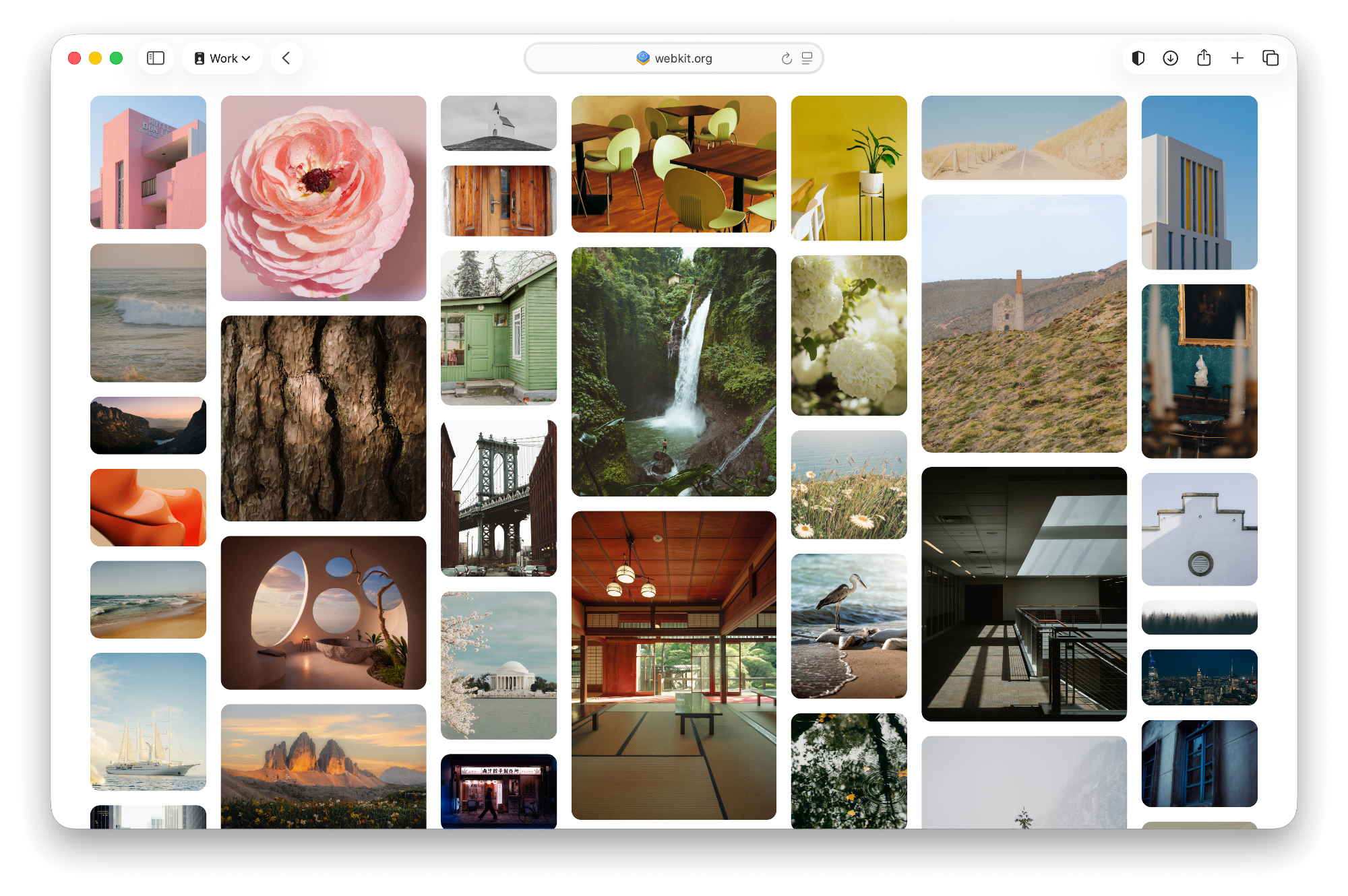
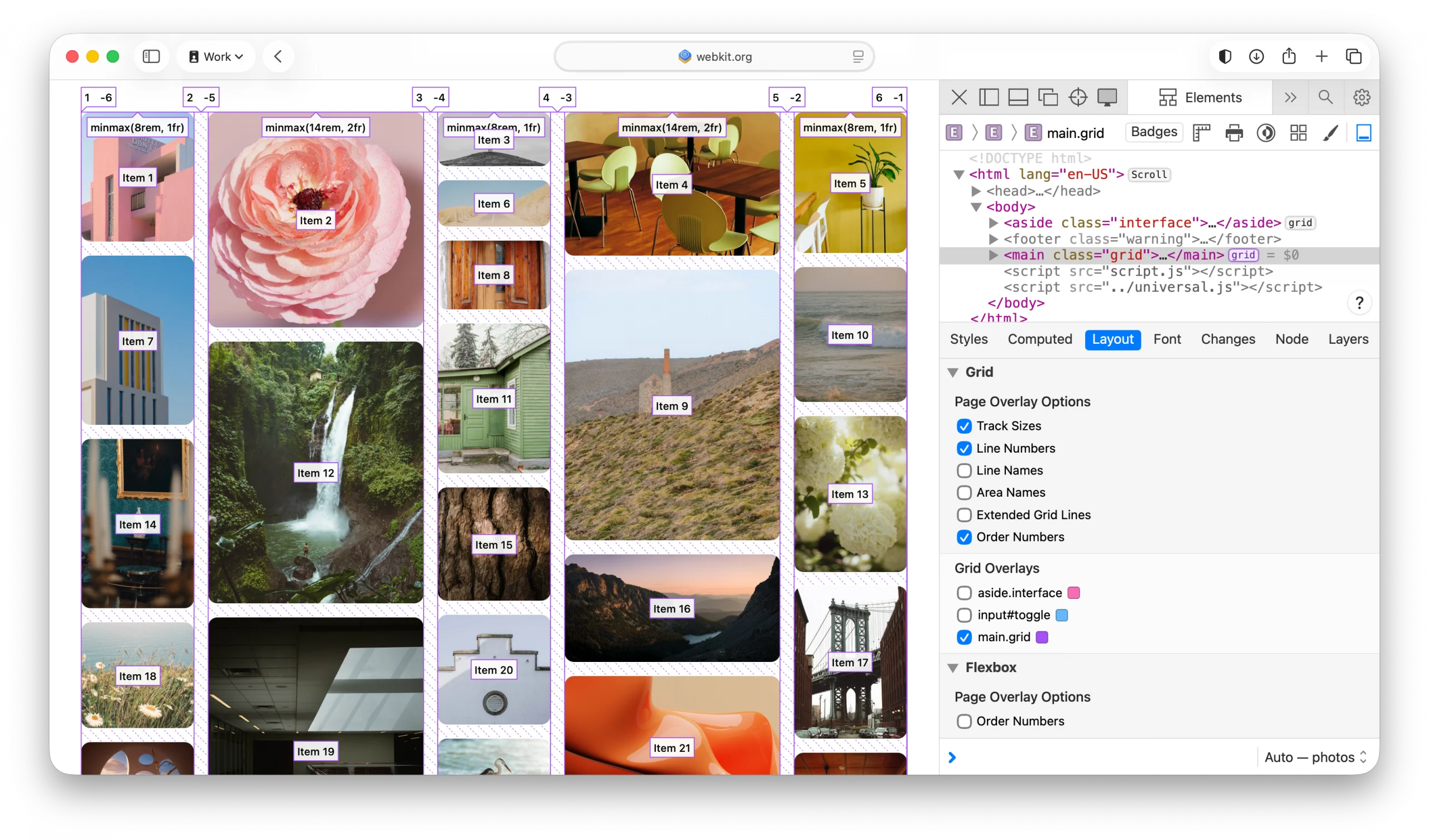
CSS Grid Lanes finally brings masonry-style layouts to the web platform. For years, developers had to rely on JavaScript libraries or hacky CSS to create the Pinterest-like staggered grids. Now, with a native solution, you can build rich visual galleries, art portfolios, and product displays that flow naturally without fixed row heights. This feature integrates seamlessly with CSS Grid, allowing items to occupy multiple cells while maintaining a consistent gutter. The result? Smoother rendering, faster development, and no more workarounds. Safari 26.4 is the first browser to ship this spec, giving WebKit an edge in layout innovation.
2. WebTransport – A Modern Alternative to WebSocket
WebTransport opens the door to low-latency communication for applications like multiplayer games, live collaboration tools, and video conferencing. Unlike WebSocket, which relies on a single reliable stream, WebTransport supports multiple streams over QUIC, offering both reliable and unreliable delivery. This means you can send critical game state data reliably while streaming non-critical updates with higher speed. The API is designed with security and congestion control in mind, making it a cornerstone for real-time web experiences. Safari 26.4 makes WebTransport available, catching up with other browsers and setting the stage for next‑generation apps.
3. Keyboard Lock API – Full Keyboard Control for Web Apps
Keyboard Lock API gives web applications the ability to intercept and control keyboard shortcuts that browsers normally reserve. Think of web-based code editors, drawing tools, or games that need to use keys like Ctrl+S or F11 without triggering browser actions. With this API, developers can lock specific keys or key combinations, offering a more native-like experience. Safari 26.4 ships this feature, empowering progressive web apps to compete with desktop applications. It’s a small change with huge impact for productivity and creativity.
4. Developer Feedback at the Core – Stability Over New Features
In response to 2025 developer surveys, WebKit has prioritized consistency and bug fixes over flooding developers with new features. This release is a testament to that philosophy: many items in the changelog are refinements to existing specs rather than brand-new additions. Safari 26.4 focuses on making features work identically across all browsers, closing spec gaps, and ensuring that what you write once runs everywhere. This shift means less time debugging cross-browser quirks and more time building. It’s a welcome change for teams that want stability in their toolchain.
5. CSS Math Functions Inside the sizes Attribute
Until now, using CSS math functions like min(), max(), or clamp() inside the HTML sizes attribute for responsive images wasn’t supported in WebKit. Safari 26.4 changes that. WebKit shipped min() and max() as early as 2018, but the ability to use them inside sizes unlocks more responsive and efficient image loading. For example, you can now define complex breakpoints that adapt to viewport size and container width simultaneously. This enables art-directed responsive images with cleaner markup and smaller file sizes. Learn more about the change.
6. Hundreds of Bug Fixes Across the Platform
WebKit engineers went deep to improve SVG rendering, table layouts, MathML support, and CSS Zoom. Bug fixes touch almost every corner of the rendering engine. For instance, SVG gradients now behave correctly in all edge cases, tables resize smoothly when content changes, and MathML equations display accurately in educational apps. CSS Zoom – a non-standard property used by some legacy sites – also received attention. While not a replacement for transforms, fixing Zoom ensures backward compatibility for millions of web pages. These fixes may not grab headlines, but they dramatically improve real-world browsing.
7. Layout Engine Rewrite – Blocks-in-Inline Complete, Progress on Flexbox and Grid
WebKit’s multi-year rewrite of its layout engine continues. Blocks-in-inline layout is now fully complete, meaning nested block elements inside inline contexts render correctly. Work on Flexbox is ongoing, and engineers have begun rewriting CSS Grid from scratch. This modernization effort aims to eliminate legacy behavior, improve performance, and align with the latest specs. For developers, this translates to fewer layout bugs and better support for advanced CSS features as they land. Safari 26.4 is a stepping stone toward a fully rewritten engine that will benefit the web for years to come.
8. How to Report Bugs – Your Voice Shapes Future Releases
WebKit relies on community input to prioritize fixes. If you encounter a bug in Safari 26.4, file a report at bugs.webkit.org. Be specific: include a reduced test case, a snippet of code, or a link to the affected website. Explain why the issue matters for your users. The more concrete you are, the easier it is for engineers to reproduce and fix. Even if you don’t receive a direct reply, know that bug reports are actively monitored and often result in shipped fixes. Multiple reports from different sites can push a fix to the top of the queue.
9. The Power of Concrete Feedback
Your feedback is most effective when it includes context. Instead of just “X doesn’t work,” share a brief story about how it affects real users. For example: “Our educational platform uses MathML for equations; since the update, some symbols overlap on iOS 18.” Also link to a live page or a CodePen. When several websites report the same issue, WebKit engineers can prioritize it. Even a single detailed report can accelerate a fix. The team pays close attention to the ecosystem, and your input directly influences what gets fixed or improved next.
10. Looking Ahead – Interoperability and Web Quality
Safari 26.4 is more than a feature dump; it’s a commitment to making the web a better platform for everyone. The focus on interoperability means that new APIs like WebTransport and CSS Grid Lanes are implemented with cross-browser compatibility in mind. The bug fix avalanche represents months of careful work. As the layout engine rewrite continues, future releases will bring even more consistency and performance. For developers, this is a strong signal that WebKit listens and acts. Test your sites in Safari 26.4, file bugs when you find them, and enjoy a more reliable web.
In summary, Safari 26.4 delivers on the promises made to developers: fewer surprises, more stability, and powerful new capabilities. Whether you’re laying out a gallery, building a real-time game, or just hoping your existing site works as expected, this update has something for you. Dive into the features, explore the bug fixes, and let WebKit know what you think – the conversation is just beginning.
Related Articles
- How to Seamlessly Switch from Windows to Linux Using Free Apps
- How to Respond to the Supreme Court’s Attack on the Voting Rights Act: A Step-by-Step Guide
- OnePlus Pad 4 Launches With Snapdragon 8 Elite Gen 5, Key Downgrade, and Uncertain Global Release
- Perplexity Details Mac-First 'Personal Computer' Platform After Apple's Q2 2026 Earnings Mention
- Beyond Four Wheels: How Auto China 2026 Redefines Automotive Intelligence with Physical AI
- Understanding the 2024 Supreme Court Decision on Voting Rights and Racial Gerrymandering: A Guide to the Louisiana v. Callais Case
- Kubernetes v1.36: Dynamically Scale Pod-Level Resources Without Restarts (Beta)
- Insights from Thoughtworks Technology Radar 34: AI, Security, and the Return to Fundamentals