April 2026 Patch Tuesday: Key Security Updates and What You Need to Know
Microsoft's April 2026 Patch Tuesday addressed a staggering 167 vulnerabilities across Windows and related software, including actively exploited zero-days in SharePoint Server and Windows Defender. Additionally, Google Chrome fixed its fourth zero-day of the year, and Adobe released an emergency patch for a Reader flaw under active attack. Below, we answer the most pressing questions about these updates.
1. What is the most critical vulnerability in Microsoft's April 2026 Patch Tuesday?
The most critical is CVE-2026-32201, a zero-day vulnerability in Microsoft SharePoint Server that allows attackers to spoof trusted content or interfaces over a network. Mike Walters, president of Action1, warns that this flaw can deceive employees or partners by presenting falsified information within trusted SharePoint environments, enabling phishing attacks, unauthorized data manipulation, or social engineering campaigns. Since active exploitation has already been observed, organizations should prioritize patching this vulnerability. BlueHammer is another closely watched issue.

2. What is the 'BlueHammer' vulnerability and how does it affect Windows Defender?
BlueHammer, officially tracked as CVE-2026-33825, is a privilege escalation bug in Windows Defender. The researcher who discovered it published exploit code after becoming frustrated with Microsoft's response. Will Dormann of Tharros confirmed that the public exploit no longer works after applying the April patches. While the vulnerability is serious, it requires local access to exploit, meaning attackers must already have a foothold on the system. However, given the public availability of exploit code, patching remains critical.
3. What active exploits have been reported for Adobe Reader and Chrome?
Adobe released an emergency update on April 11 for CVE-2026-34621, a flaw in Adobe Reader that has been actively exploited since at least November 2025. This vulnerability can lead to remote code execution. Separately, Google Chrome fixed its fourth zero-day of 2026, though details are sparse. Satnam Narang of Tenable highlighted that the Adobe issue underscores the importance of applying emergency patches promptly, as attackers are already leveraging it. Users should ensure Adobe Reader and Chrome are updated to the latest versions.
4. Why did Microsoft patch 167 vulnerabilities this month, and is AI behind the increase?
The April record of 167 patches includes nearly 60 browser vulnerabilities, largely due to the Chromium engine used by Microsoft Edge. Adam Barnett of Rapid7 noted that while it's tempting to attribute the spike to Project Glasswing – an unreleased AI capability from Anthropic – the reality is simpler: Chromium maintainers acknowledge a wide range of researchers for these vulnerabilities, which Microsoft republished. However, Barnett believes AI is indeed driving higher reporting volumes, stating, We should expect to see further increases in vulnerability reporting volume as the impact of AI models extend further, both in terms of capability and availability.
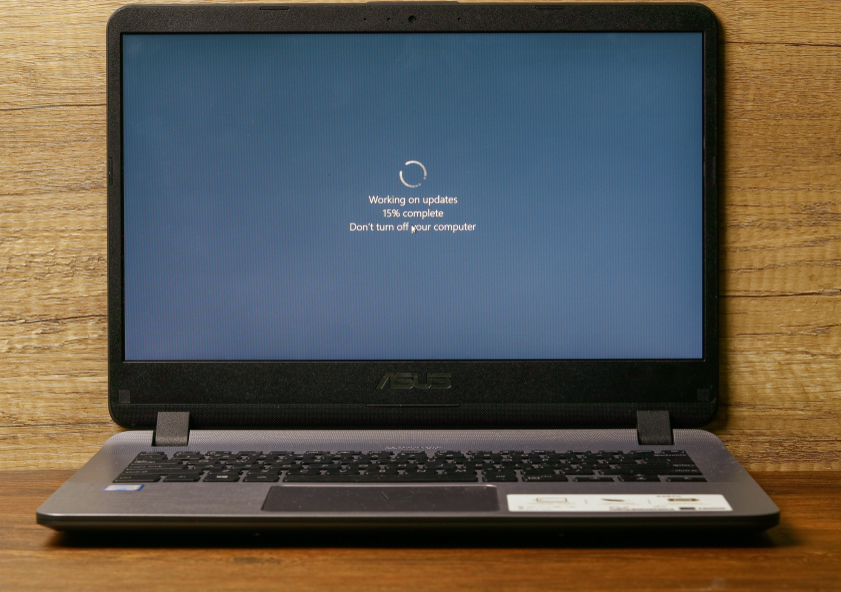
5. How can users protect themselves from these vulnerabilities?
To stay safe, follow these steps:
- Apply all Microsoft patches immediately, especially for SharePoint Server and Windows Defender.
- Update Adobe Reader to the latest version to block CVE-2026-34621.
- Restart your browser after updates: No matter which browser you use, fully close and reopen it to apply fixes.
- Enable automatic updates for Windows, Adobe, and Chrome.
- Stay informed about emerging threats like BlueHammer and phishing campaigns leveraging SharePoint.
For enterprise environments, prioritize patching publicly exposed services and educate users about social engineering risks.
6. What does the future hold for vulnerability discovery with AI?
The April 2026 Patch Tuesday indicates a trend: AI tools like the speculated Project Glasswing are becoming more adept at finding bugs across vast software ecosystems. Adam Barnett predicts that AI will continue to amplify vulnerability reporting, leading to larger patch batches. While this may seem overwhelming, it ultimately improves security by exposing flaws faster. Organizations should adapt by enhancing their patch management processes and leveraging AI for defensive purposes. The key is to stay proactive rather than reactive.
Related Articles
- Supply Chain Attack on CPU-Z: How AI-Powered EDR Stopped a Watering Hole in Its Tracks
- April 2026 Patch Tuesday: A Comprehensive Guide to Securing Your Systems
- CloudZ RAT and Pheno Plugin: 10 Critical Facts About Credential and OTP Theft
- Claude Mythos Uncovers Record 271 Zero-Day Flaws in Firefox Browser
- 7 Critical Lessons from the UNC6692 Malware Campaign: Social Engineering and Custom Malware
- How to Shield Your Supply Chain from Cyber-Enabled Cargo Theft
- Python Releases Expedited Updates: 3.14.2 and 3.13.11 Address Regressions and Security Issues
- 7 Key Facts About Google's New Android App Verification to Thwart Supply Chain Attacks