Could a Constipation Drug Be the Key to Protecting Your Kidneys?
A surprising discovery has emerged from a common medicine cabinet staple: lubiprostone, a drug long used to relieve constipation, may hold unexpected promise for millions living with chronic kidney disease (CKD). In a groundbreaking clinical trial with 150 participants, researchers found that this medication helped preserve kidney function in people with moderate CKD. The effect appears to stem from changes in the gut microbiome that boost levels of spermidine, a compound known to support mitochondrial health and reduce kidney damage. This finding opens a new frontier in treating a condition that often progresses to dialysis. Below, we explore key questions about this exciting development.
What is lubiprostone and what is it normally used for?
Lubiprostone is a medication primarily indicated for the treatment of chronic idiopathic constipation and irritable bowel syndrome with constipation (IBS-C). It works by activating chloride channels in the intestinal lining, which increases fluid secretion and helps soften stools, making bowel movements easier and more regular. The drug is typically prescribed when dietary changes and over-the-counter laxatives have been ineffective. It has a well-established safety profile, with common side effects including nausea and diarrhea. Until this recent study, there was no known link between lubiprostone and kidney health, making the findings particularly intriguing for researchers exploring new therapeutic avenues for chronic kidney disease.
How did researchers discover lubiprostone's effect on chronic kidney disease?
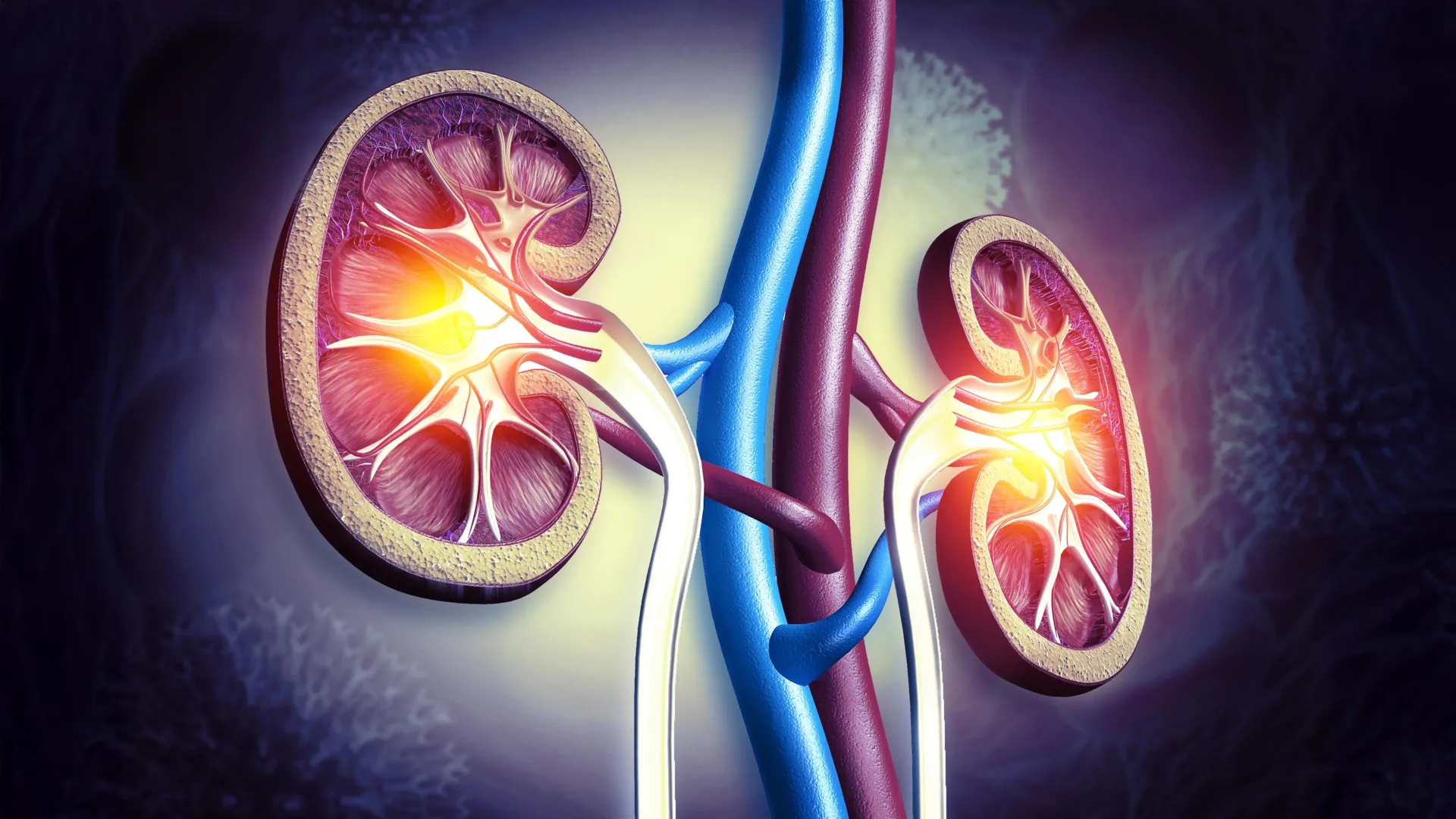
The discovery was part of a clinical trial involving 150 patients with moderate chronic kidney disease (stages 3-4). Participants were randomly assigned to receive either lubiprostone or a placebo for several months. The study was designed to test whether the drug could slow the progression of CKD, based on earlier animal studies that hinted at kidney-protective effects. Researchers monitored changes in estimated glomerular filtration rate (eGFR), a key measure of kidney function, as well as markers of inflammation and gut health. Notably, they also analyzed the composition of gut bacteria in participants, suspecting that the drug's effects might be mediated by the microbiome. The results showed that those taking lubiprostone experienced a slower decline in eGFR compared to the placebo group, sparking further investigation into the underlying mechanism.
What key mechanism links lubiprostone to kidney protection?
The link between lubiprostone and kidney protection appears to be mediated by the gut microbiome. The drug alters the bacterial community in the intestines, leading to a significant increase in the production of spermidine, a naturally occurring polyamine compound. Spermidine is known to play a crucial role in cellular health, particularly by promoting autophagy—a process that cleans out damaged cellular components and supports mitochondrial function. Researchers observed that the rise in spermidine levels correlated with improved kidney function in trial participants. It is believed that the drug-induced change in gut flora creates a more favorable environment for spermidine-producing bacteria, thereby protecting the kidneys from further damage. This microbiome-mediated pathway represents a novel approach to treating CKD.
How does spermidine help the kidneys?
Spermidine exerts protective effects on the kidneys primarily by enhancing mitochondrial health and reducing oxidative stress. Mitochondria are the energy powerhouses of cells, and their dysfunction is a key factor in kidney disease progression. Spermidine stimulates mitophagy, a selective form of autophagy that removes dysfunctional mitochondria, thereby preventing cellular damage. Additionally, spermidine has anti-inflammatory properties and can inhibit pathways such as fibrosis, which contributes to scarring in kidney tissue. By boosting spermidine levels through lubiprostone therapy, the kidneys are better able to maintain cellular integrity and function. In the trial, higher spermidine levels were associated with slower decline in eGFR, suggesting that this compound acts as a natural protective agent within the kidney cells.
What were the results of the clinical trial for CKD patients?
The clinical trial enrolled 150 adults with moderate chronic kidney disease (stages 3-4) and followed them for a period of six months. Participants receiving lubiprostone showed a statistically significant slower rate of decline in their estimated glomerular filtration rate (eGFR) compared to those on placebo. On average, the lubiprostone group experienced a reduction in eGFR decline by about 30-40% relative to the placebo group. Additionally, markers of kidney damage, such as urinary albumin-to-creatinine ratio, were modestly improved in the treatment arm. Importantly, the drug was well-tolerated, with side effects similar to its known safety profile. These results indicate that lubiprostone could potentially delay the progression of CKD and reduce the need for dialysis in some patients.
Could lubiprostone replace standard CKD treatments?
No, lubiprostone is not intended to replace standard treatments for chronic kidney disease, such as blood pressure control (with ACE inhibitors or ARBs), glucose management in diabetes, or dietary modifications. Rather, the findings suggest it could serve as an adjunctive therapy to existing care. The drug's mechanism—modulating gut bacteria to boost spermidine—offers a complementary approach that targets a different pathway than conventional medications. However, further research is needed to confirm its long-term safety and efficacy, especially in patients with more advanced CKD or those on dialysis. Currently, lubiprostone is only FDA-approved for constipation and IBS-C, so its use for kidney protection remains investigational. Patients should not take it for CKD without medical supervision and clinical trial participation.
What are the next steps for this research?
The encouraging results from this small trial have prompted plans for larger, longer-term studies to confirm lubiprostone's kidney-protective effects and to explore optimal dosing regimens. Researchers also aim to identify which patients are most likely to benefit—for example, those with specific gut microbiome profiles. Additional work will focus on measuring spermidine levels more precisely and investigating whether direct spermidine supplementation could achieve similar results without relying on gut bacteria changes. Furthermore, scientists are interested in whether lubiprostone could be beneficial in other kidney conditions, such as acute kidney injury or diabetic nephropathy. If these larger trials succeed, lubiprostone might become a new tool in the fight against CKD, potentially changing how we approach preserving kidney function.
How might this discovery change the approach to treating kidney disease?
This discovery highlights the powerful role of the gut-kidney axis—a concept that the health of the intestines directly influences kidney function. Instead of only targeting the kidneys directly, future treatments might increasingly leverage the microbiome to produce protective compounds like spermidine. It also underscores the value of repurposing existing medications for new indications, which can accelerate the availability of therapies since safety data already exists. For patients with chronic kidney disease, this could mean a more holistic approach that includes dietary interventions to support gut health, alongside medications. While lubiprostone itself may not become a standard therapy for all, the principle of modulating the microbiome to enhance spermidine production could lead to new drugs or nutritional strategies, offering hope for slowing the progression of a disease that currently has limited treatment options.
Related Articles
- 10 Key Insights into Akeso's Ivonescimab and Its ASCO Plenary Spotlight
- How to Analyze FDA Leadership Shifts and Their Influence on Vaccine Recommendations
- Surviving a Heart Transplant: The Hidden Battle for Lifesaving Medications
- Survey Reveals Crisis in LGBTQ+ Youth Mental Health: Schools Seen as Lifeline
- Brain’s ‘Waste Disposal’ Activated by Simple Abdominal Muscle Movements, Study Reveals
- How to Navigate FDA Leadership Changes: A Guide to Understanding the Makary-Diamantas Transition
- Cannabis Leaves Yield Hidden Treasure: Rare Flavoalkaloids Discovered with Potential Health Benefits
- FDA Approves Axsome's Breakthrough Drug for Alzheimer's Agitation: Key Questions Answered