Understanding Modern Wireless Charging: What You Need to Know for Fast and Efficient Charging
Introduction
Wireless charging has evolved from a niche luxury to a near-standard feature on smartphones, earbuds, and even some laptops. For years, however, the technology lagged behind expectations—slow speeds, excessive heat, and frustrating alignment issues made many users dismiss it as impractical. Today, thanks to key updates to the Qi standard and new hardware innovations, wireless charging has finally become a reliable and convenient way to power up devices. This article breaks down what has changed and what to look for when choosing a wireless charger.
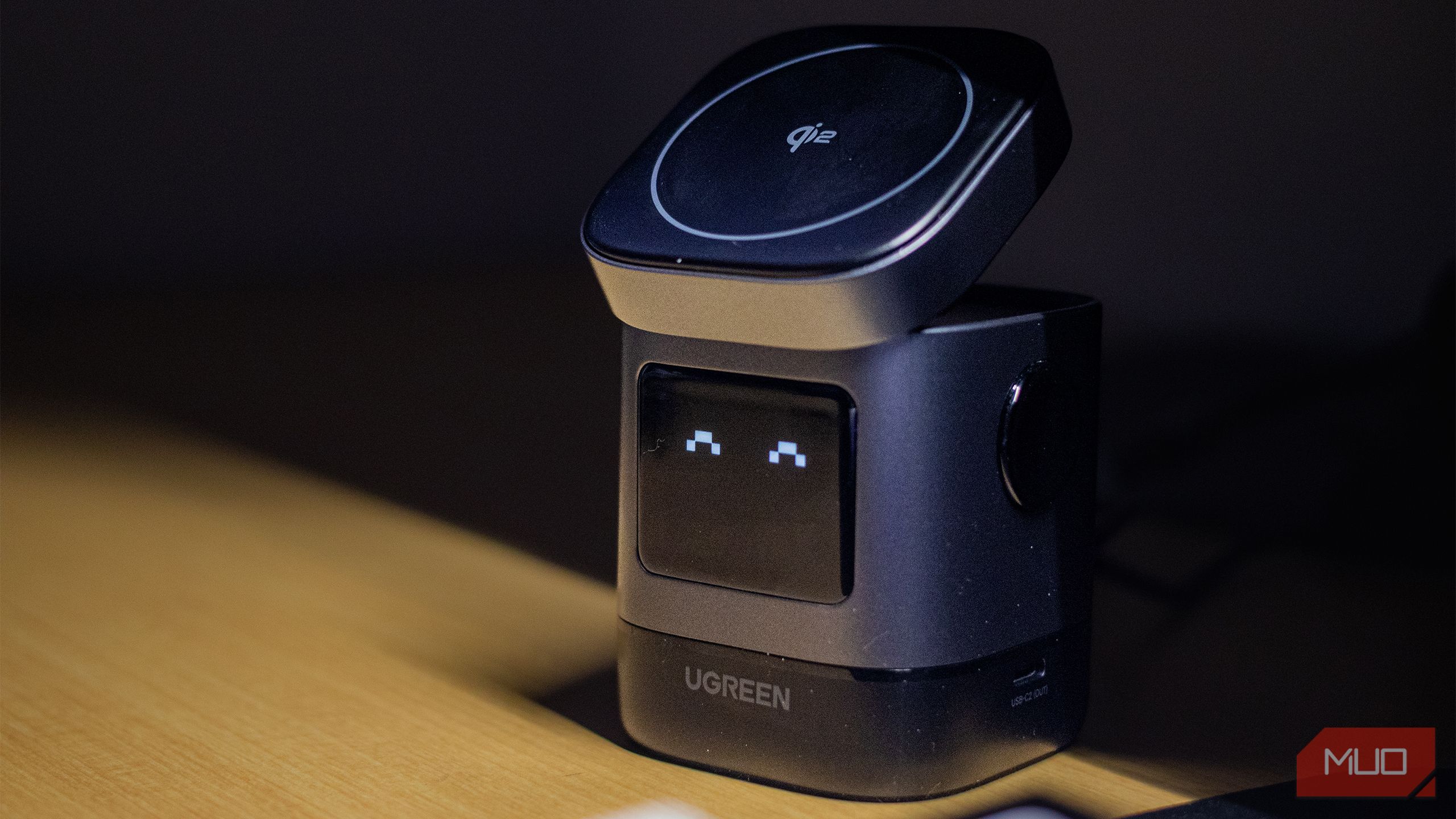
The Qi Standard and Its Evolution
From 5W to 15W: The Extended Power Profile
The Qi (pronounced “chee”) wireless charging specification, developed by the Wireless Power Consortium, remained largely unchanged for over a decade. The baseline profile supported only 5 watts of power transfer—adequate for small devices but painfully slow for modern smartphones. Recognizing the need for faster charging, the Qi 1.0 standard introduced the Extended Power Profile (EPP), which allowed up to 15W of power. This jump made wireless charging competitive with many wired solutions of the time. Most mid-range and flagship phones released after 2017 support EPP, though actual speeds vary by device and charger implementation.
The Arrival of Qi2 and MagSafe
In 2023, the Wireless Power Consortium launched Qi2, a new standard built around Apple’s MagSafe magnetic alignment technology. Qi2 chargers feature a ring of magnets that snaps the device into perfect alignment with the charging coil, eliminating one of the biggest frustrations of earlier pads: the “sweet spot” hunt. Besides improved convenience, Qi2 supports up to 15W charging by default (with higher wattages possible for proprietary modes), and it promises better thermal management and energy efficiency. This standard is backward compatible with older Qi devices, but full benefits require a Qi2-certified charger and a compatible device.
Overcoming Early Issues: Speed, Heat, and Efficiency
Charging Speeds: What’s Adequate Today?
While 5W wireless charging felt glacial, 15W is now sufficient for overnight top-ups and even daytime boosts. Many flagship phones support proprietary fast wireless charging beyond 15W—for instance, Samsung’s 25W wireless fast charging or Xiaomi’s 50W wireless charging. However, these higher speeds often require a dedicated charger and phone combination. For most users, a 15W Qi-compatible charger offers a good balance of speed and universal compatibility. If you own a Qi2 device, the magnetic alignment ensures consistent power delivery, reducing the risk of slow charging due to misalignment.
Heat Management and Active Cooling
Early wireless chargers were notorious for generating excess heat, which not only slowed charging but also degraded battery health. Modern chargers incorporate improvements like active cooling fans, thermal pads, and smarter power management ICs. Some premium stands even use a dedicated fan that kicks in when the device exceeds a certain temperature. The Qi2 standard mandates stricter thermal limits, so devices tend to run cooler. When shopping, look for chargers with built-in cooling or those that have earned the “Qi Certified” mark, which indicates they meet thermal and safety requirements.
Efficiency Comparisons with Wired Charging
Wireless charging is inherently less efficient than wired: typical wireless energy transfer efficiency hovers around 70–80%, whereas wired charging can reach 95% or more. The lost energy is dissipated as heat. However, advancements in coil design, resonant inductive coupling, and higher-quality components have narrowed the gap. For everyday use, the convenience of drop-and-charge often outweighs the slight efficiency penalty, especially if you charge overnight. Moreover, modern chargers with foreign object detection (FOD) and adaptive charging profiles further minimize waste.
Key Features to Look for in a Wireless Charger
Power Output and Device Compatibility
- Check your device’s maximum supported wattage: iPhones (since iPhone 12) support 15W with MagSafe, while many Android phones support 10W to 15W via standard Qi, and some go higher with proprietary protocols.
- Look for multi-coil designs: Chargers with three or more coils allow flexible placement without worrying about exact alignment, though they may run warmer.
- Consider charging multiple devices: A triple-pad station for phone, earbuds, and watch is clutter-reducing but may split power among coils.
Alignment and Coil Design
The biggest advancement in user experience is magnetic alignment. Whether you choose a MagSafe-compatible charger (with magnets) or a Qi2-certified one, magnetic attachment ensures the coil lines up perfectly every time. Without magnets, look for chargers with a large charging area or a prominent target indicator. Some premium stands use moving coils that automatically shift to align with your device, a feature seen in high-end car mounts.
Stand vs. Pad Form Factors
- Pad: Simple, flat surface. Ideal for nightstands or desks where you can lay the device flat. Often more affordable.
- Stand: Holds the phone upright, enabling you to use Face ID (or view notifications). Better for desk use. Many stands include cooling fans.
- Car mount: Integrates a vent or dash clip with wireless charging. Look for ones with strong magnetic hold and auto-clamping features.
The Future of Wireless Charging
The next horizon includes resonant wireless charging, which allows charging at a distance (several centimeters to meters), and over-the-air charging via radio frequency (still nascent). Meanwhile, the Qi2 standard is expected to evolve with higher power levels (up to 30W or more) and extended compatibility with laptops and power tools. As manufacturers adopt GaN (gallium nitride) technology in chargers, sizes will shrink while efficiency improves. For consumers, the key takeaway is that wireless charging is finally worth using—but only if you choose a charger that matches your device’s capabilities and prioritizes thermal management.
Conclusion
Wireless charging has shed its reputation as a frustrating gimmick. With the Qi2 standard mainstreaming magnetic alignment, 15W baseline speeds, and better thermal regulation, charging without cables is now a genuine convenience. Whether you’re a heavy user topping up during the day or someone who prefers a cable-free nightstand, investing in a modern wireless charger—especially one that is Qi2 certified or has active cooling—will make the experience smooth and efficient. Remember to verify compatibility, prioritize chargers with sufficient wattage, and welcome the age of truly practical wireless power.
Related Articles
- Your Guide to iOS 26.5 and iPadOS 26.5 Release Candidate 2: What’s New and How to Install
- 7 Things You Need to Know About Kubernetes User Namespaces in v1.36
- The Hidden Risks of Popular npm Packages: An Audit of 25 Leading Libraries
- Reverse Engineering the Commodore Sync Splitter: A Masterclass in 8-Bit Video Design
- Google's AI Search Now Showcases Real-World Perspectives from Social Media as 'Expert Advice'
- The Hidden Cost of AI: When Your Digital Assistant Replaces Your Own Judgment
- Bosch Boosts E-Bike Performance: New Software Update Delivers 120 Nm Torque and 600% Assist
- Bosch Boosts E-Bike Performance with a Simple Software Update: Torque Hits 120 Nm