Tux the Penguin at 30: Celebrating Linux's Beloved Mascot
For three decades, a cheerful penguin named Tux has been the face of the Linux kernel, instantly recognizable to open-source veterans and newcomers alike. As Tux celebrates its 30th anniversary, we dive into the story behind this iconic mascot with a Q&A format exploring its origins, design, and lasting influence.
What exactly is Tux and how did it become the mascot of Linux?
Tux is the official mascot of the Linux kernel, a penguin character that has become synonymous with the Linux ecosystem. Its journey began in 1996 when Linus Torvalds, the creator of Linux, expressed a fondness for penguins after being bitten by one during a visit to a zoo. The community embraced this enthusiasm, and a design contest was launched. The winning entry, a plump, playful penguin created by Larry Ewing using the GIMP, was adopted as the official logo. Tux quickly became a symbol of the open-source spirit, appearing on everything from kernel documentation to community merchandise. The name "Tux" is often said to stand for "Torvalds UniX," though this is a retroactive explanation—the name itself just felt fitting for the mascot. Today, Tux remains a beloved figure, representing the collaborative and fun-loving nature of the Linux community.
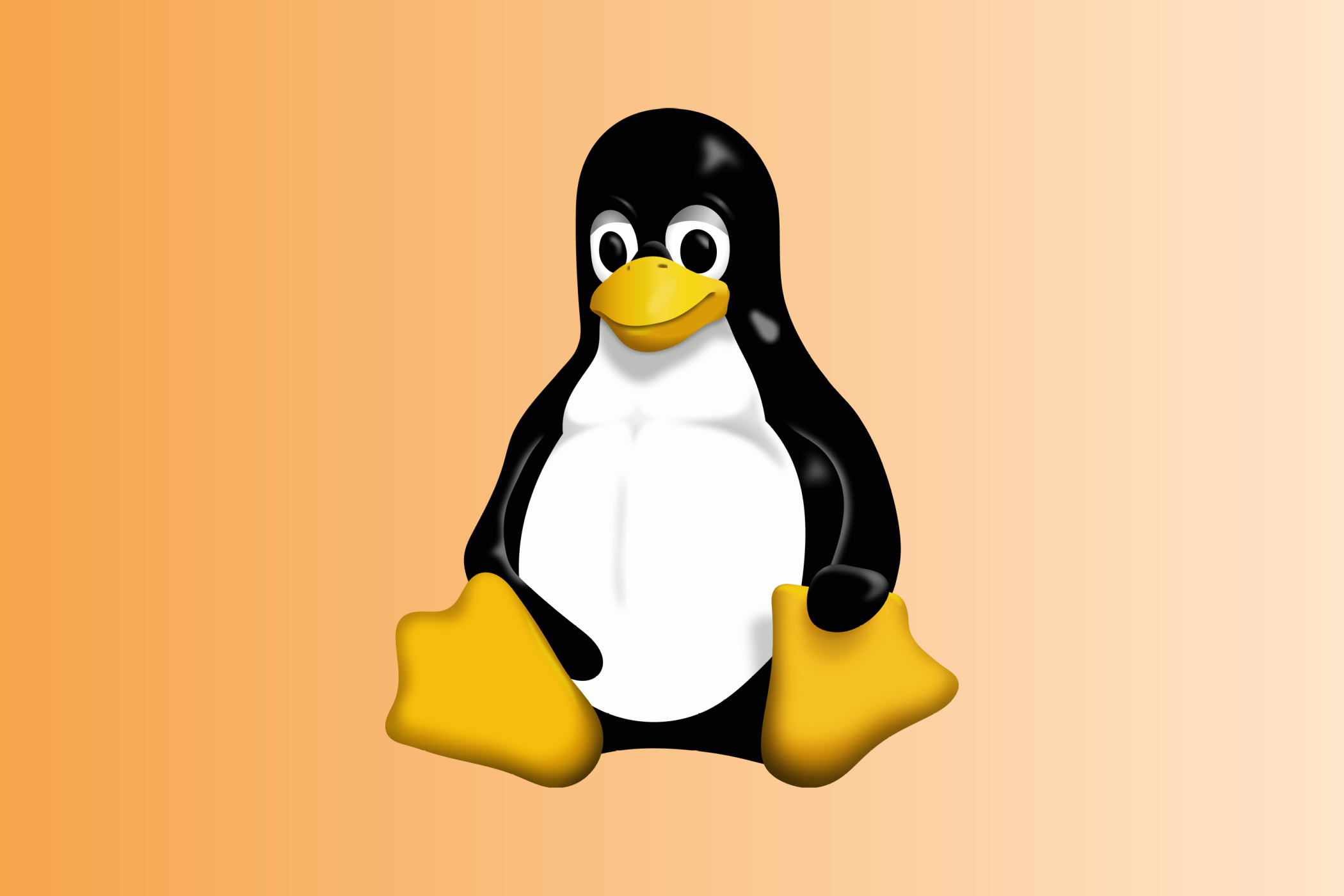
When did Tux first appear and who created the original design?
Tux made its debut in 1996, turning 30 years old this year. The original design was created by Larry Ewing, a programmer and artist, using the GNU Image Manipulation Program (GIMP). Ewing submitted his initial penguin drawing to a mascot competition organized by the Linux community. Linus Torvalds himself had requested a penguin, so Ewing's goal was to depict a penguin that looked both happy and well-fed, capturing the spirit of the Linux project. The result was a rotund, smiling penguin with a distinctive orange beak and feet. Despite its simplicity, the design was an instant hit and was officially adopted as the Linux mascot. Interestingly, Ewing released his creation under a permissive license, allowing anyone to use and modify it—a decision that perfectly aligned with open-source principles. The original Tux artwork is still widely used today, though numerous derivative versions have been created over the years.
Why was a penguin chosen as the mascot for Linux?
The penguin choice was driven by Linus Torvalds' personal experience and quirky sense of humor. In 1993, Torvalds visited a zoo in Australia where he was bitten by a small penguin. The incident left a lasting impression, and he later joked that penguins were his favorite animal. When the Linux community sought a mascot in 1996, Torvalds suggested a penguin, and the idea stuck. Beyond the personal anecdote, the penguin symbolized several qualities that aligned with Linux: resilience, adaptability, and approachability. Penguins are found in harsh environments yet thrive, much like Linux running on diverse hardware. Additionally, the penguin's non-aggressive nature reflected the open-source ethos of collaboration over competition. The choice also injected a dose of whimsy into the often-serious world of operating systems, making Linux more accessible and memorable to outsiders. Tux the penguin thus became a perfect ambassador for the project.
Has Tux's design changed over the past 30 years, and is the original still used?
Remarkably, the original Tux design by Larry Ewing has remained in continuous use for three decades. While many derivative versions have been created—such as stylized logos for distributions like Linux Mint or professional mascots for conferences—the classic silhouette of a round, smiling penguin remains the official mascot. Minor refinements have occurred, such as variations in shading and pose, but the essence of Ewing's 1996 creation is instantly recognizable. This consistency speaks to the design's strength and the community's affection for the original. However, the Linux community encourages creative reinterpretations; you'll find Tux in yoga poses, superhero costumes, and even as a plush toy. The original GIMP file is still available for download, allowing anyone to remix it. This flexibility ensures Tux stays relevant while honoring its roots. The fact that the OG design is still in official use after 30 years is a testament to its timeless appeal.
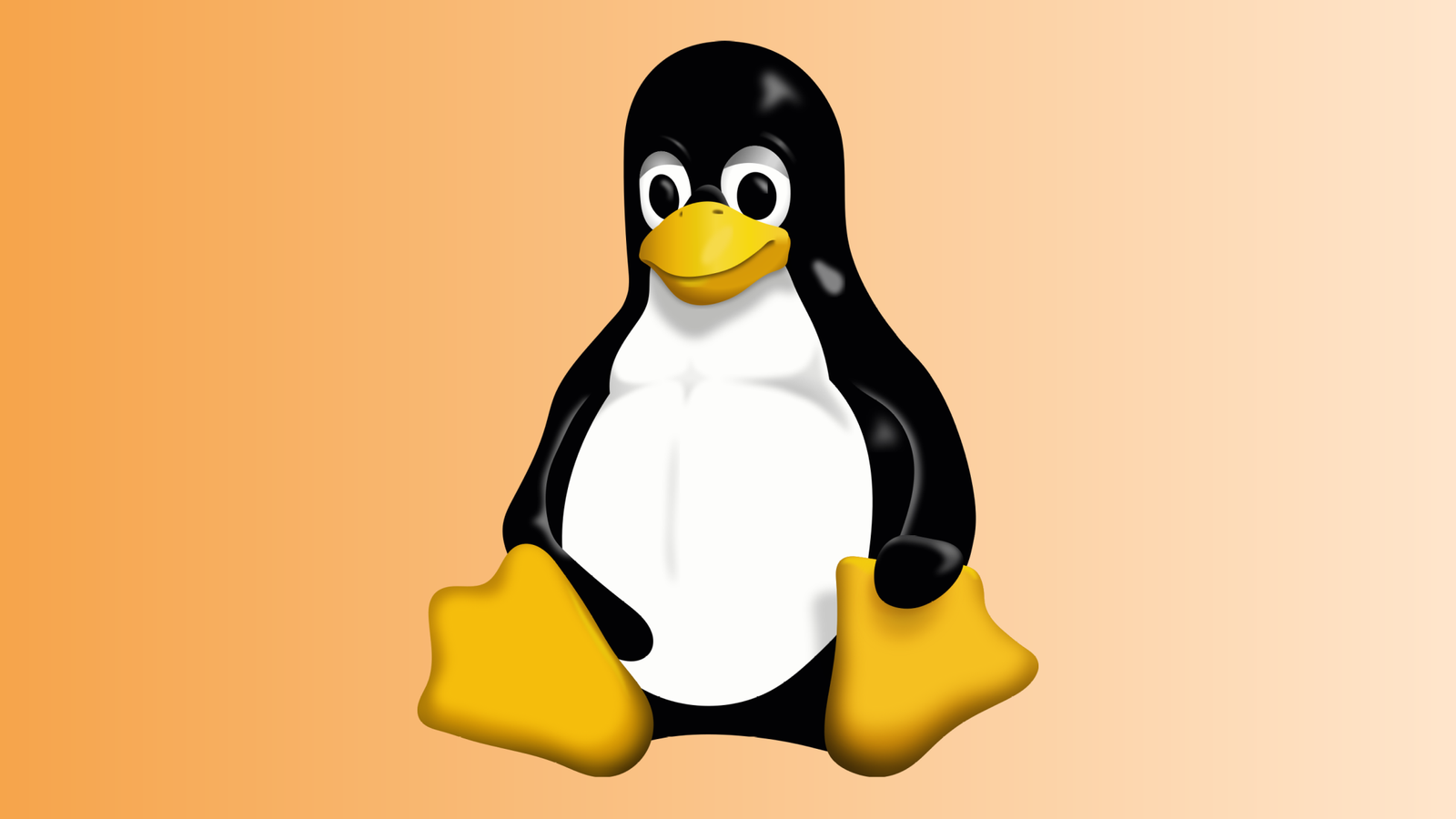
How has Tux been used beyond the Linux kernel—on merchandise and in memes?
Tux has transcended its role as a kernel mascot to become a cultural icon within the tech world. On merchandise, Tux appears on t-shirts, mugs, stickers, and laptop cases sold by open-source organizations and online shops. The mascot is also a staple at Linux conferences, where large plush versions are displayed or given away. In the digital realm, Tux features prominently in memes that often contrast Linux with proprietary systems like Windows. A classic meme shows Tux battling a Windows logo, symbolizing the struggle for open-source dominance. Tux is also embedded in user interfaces; for example, the Linux kernel shows a Tux logo during boot on some systems, and many applications use a penguin as a placeholder icon. The mascot even appears in video games—SuperTux and Tux Racer are popular open-source games starring Tux. This widespread use has made Tux one of the most recognizable mascots in computing history.
What does Tux's 30th anniversary mean for the open-source community?
The 30th anniversary of Tux is more than a milestone; it celebrates the enduring spirit of open-source collaboration. Tux has been a constant companion to Linux users, developers, and enthusiasts, evolving alongside the kernel from a hobbyist project to a critical infrastructure component powering servers, Android, and cloud computing. The anniversary serves as an opportunity to reflect on how a simple penguin logo helped humanize and popularize Linux. Community events, themed releases, and social media campaigns often mark such anniversaries. For instance, kernel developers might incorporate special Tux Easter eggs in code commits. According to the original penguin backstory, Tux's legacy is deeply personal to Linus Torvalds, making this milestone a tribute to both the mascot and the ethos it represents. As Tux turns 30, it reminds us that open-source projects thrive not just on technical merit but also on community identity and joy.
Note: Anchor links above allow you to jump between questions. For instance, the reference to the original penguin backstory in the last answer.
Related Articles
- 10 Reasons CachyOS Linux Outpaces Ubuntu 26.04 LTS and Fedora Workstation 44
- Shell PATH Setup Pitfalls Exposed: New Step-by-Step Guide Highlights Common Errors
- European Sovereign Tech Fund Boosts KDE’s Desktop Security and Infrastructure
- Reimagining Ubuntu’s Unity Desktop: A Modern Take with Wayfire and Libadwaita
- 7 Key Insights on BPF-Based Memory Management Interfaces
- Bringing Linux to Windows 95: The Windows 9x Subsystem for Linux Explained
- 10 Key Highlights of Fedora Asahi Remix 44 for Apple Silicon Macs
- Linux 'sos' Command Emerges as a Rapid Diagnostic Powerhouse: 53 Seconds to Full System Snapshot