How Young Gut Bacteria Reversed Liver Aging in Mice: A Promising Study
Introduction
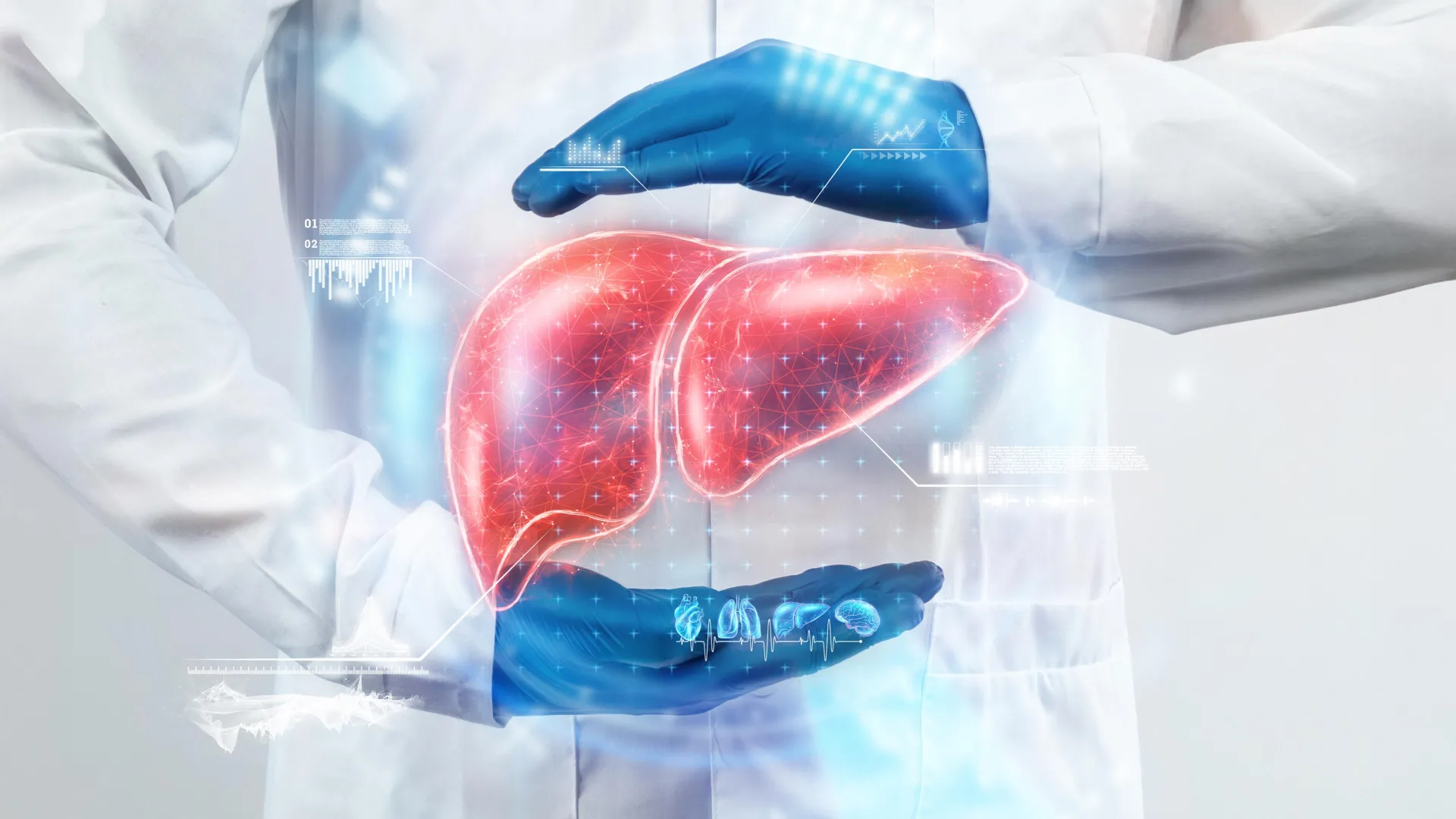
Aging affects every organ in the body, and the liver is no exception. Over time, the liver accumulates damage, becomes inflamed, and loses its ability to regenerate, increasing the risk of diseases like cirrhosis and liver cancer. But what if the key to halting or even reversing this process lies in the gut? A groundbreaking study on mice suggests that restoring the gut microbiome to a youthful state could significantly reduce liver aging and prevent cancer.
The Study at a Glance
Researchers conducted an experiment on older mice, using a clever approach to rejuvenate their gut bacteria. They had previously collected and preserved fecal samples from these same mice when they were young. Once the mice reached old age, the scientists reintroduced the preserved youthful microbiome into their digestive systems. The results were remarkable: the treated older mice showed less inflammation, reduced DNA damage, and no signs of liver cancer—unlike untreated aged mice.
Key Findings
Reduced Inflammation
Chronic inflammation is a hallmark of aging, and the liver is particularly vulnerable. The youthful microbiome appeared to dampen inflammatory responses in the liver, lowering levels of pro-inflammatory markers. This helped create a healthier environment for liver cells.
DNA Damage Protection
DNA damage accumulates with age due to oxidative stress and other factors. The study found that older mice receiving their youthful gut bacteria had significantly lower DNA damage in liver cells. This suggests that the microbiome can influence cellular repair mechanisms or reduce the sources of damage.
Liver Cancer Suppression
Perhaps the most striking result was the complete absence of liver cancer in treated older mice. While many aged mice in control groups developed tumors, none of the mice with the restored youthful microbiome did. This indicates a powerful cancer-preventive effect tied to gut health.
MDM2 Gene Suppression
A key molecular finding involved the MDM2 gene, which is known to promote cancer when overexpressed. The treatment suppressed MDM2 activity in the liver, making the gene expression pattern of old mice resemble that of much younger animals. This molecular rejuvenation suggests that the microbiome can modulate critical cancer-related pathways.
How It Works: The Role of the Microbiome
The gut microbiome—the collection of trillions of bacteria living in the intestines—plays a vital role in health. As we age, the composition of these bacteria changes: beneficial species decline while harmful ones increase. This shift can trigger low-grade inflammation throughout the body, affect metabolism, and influence how the liver processes toxins and nutrients.
By reintroducing a youthful bacterial ecosystem, the study essentially reset the microbial balance. These bacteria likely produce beneficial metabolites like short-chain fatty acids, which reduce inflammation and support liver function. They may also strengthen the gut barrier, preventing harmful substances from leaking into the bloodstream and reaching the liver.
Implications for Human Health
While this study was conducted in mice, the findings open exciting possibilities for human medicine. If we can develop probiotic therapies or fecal microbiota transplants that mimic a youthful microbiome, we might one day slow liver aging, reduce the risk of liver cancer, and even treat other age-related conditions.
However, more research is needed to confirm whether similar effects occur in humans. The study also highlights the importance of preserving one's own microbiome early in life—perhaps future health strategies will include banking fecal samples for later use, much like cord blood banking today.
Conclusion
This research provides compelling evidence that the gut microbiome is a powerful regulator of liver aging. By restoring a youthful microbial community, older mice gained significant protection against inflammation, DNA damage, and cancer. The suppression of the cancer-linked MDM2 gene further underscores the microbiome's influence on aging at the molecular level. While human applications are still on the horizon, the study offers a promising path toward non-invasive anti-aging interventions centered on gut health.
Related Articles
- Hidden Blur in Time Reveals Quantum Limit, Physicists Say
- Revolutionizing Enterprise AI: Amazon WorkSpaces Now Empowers AI Agents with Secure Desktop Access (Preview)
- 10 Key Facts About the US Space Force's Golden Dome Space-Based Interceptor Program
- Ireland Joins Artemis Accords: A New Chapter in International Space Cooperation
- Google, Fitbit, and Samsung: Major Updates Revealed in Latest Pixelated Podcast Episode
- How to Observe and Photograph Fireballs from the International Space Station: An Astronaut's Guide
- 5 Crucial Insights from the Colombia Summit: Is a Fossil Fuel Exit Finally in Sight?
- How Astronomers Uncover the Secrets of Spiral Galaxies: A Step-by-Step Guide