10 Critical Facts About Australia’s Data Centre Boom and the BYO Energy Debate
As Australia stands on the cusp of a data centre revolution reminiscent of the United States’ explosive growth, a contentious question emerges: Should these digital behemoths be allowed to bring their own energy generation? The debate is muddy, with implications for grid stability, renewable energy targets, and national sovereignty. Here are ten things you need to know to navigate this complex landscape.
1. Australia’s Data Centre Market Is Poised for Explosive Growth
Australia is mirroring the US trajectory, with hyperscale data centres planned in Sydney, Melbourne, and Perth. Driven by cloud adoption, AI, and edge computing, the market is expected to triple by 2030. This growth strains existing power infrastructure, forcing policymakers to rethink energy strategies. The Australian Energy Market Operator (AEMO) warns that without careful planning, peak demand from data centres could overload local grids, especially in urban hubs.

2. The BYO Energy Model: What Does It Really Mean?
“Bring your own energy” (BYO) refers to data centre operators generating their own electricity on-site, often via natural gas, solar, wind, or battery storage. Proponents argue it reduces strain on public grids and accelerates renewable adoption. Critics, however, flag potential conflicts: unregulated private generation could bypass environmental standards or create “energy islands” that undermine grid reliability. The key question is whether BYO energy truly complements or competes with the national electricity market.
3. The Grid Capacity Crisis in Urban Hotspots
Sydney and Melbourne are running out of grid capacity. Data centres consume as much power as a small town—a single hyperscale facility can draw 100 megawatts or more. In areas like Western Sydney, transmission lines are already congested. The BYO energy debate is partly a response to this bottleneck: if operators cannot get grid connections, they may self-generate. But this shifts the burden to local air quality and land use, sparking community opposition.
4. Renewable Energy Integration: A Double-Edged Sword
Australia has abundant solar and wind resources, but their intermittency poses challenges for 24/7 data centre operations. BYO energy often pairs renewables with gas or batteries to ensure reliability. However, large-scale batteries remain expensive, and gas-fired backup emits carbon. Policymakers must decide whether to mandate a minimum renewable fraction or allow operators to offset emissions through certificates—a controversial approach that critics call “greenwashing.”
5. The Hyperscaler Push for Net-Zero
Global giants like Google, Microsoft, and Amazon have committed to 24/7 carbon-free energy by 2030. In Australia, they are signing long-term power purchase agreements (PPAs) for wind and solar farms. Yet these PPAs often draw renewable energy away from the general grid, raising prices for households. The BYO energy model could bypass this by colocating data centres with dedicated renewable projects, but land and water constraints remain significant.
6. Environmental Regulations and Carbon Targets
Australia’s updated emissions reduction target of 43% by 2030 (from 2005 levels) puts pressure on all sectors, including data centres. If BYO energy involves new gas plants, it could lock in fossil fuel use for decades. Conversely, if it accelerates renewable build-out, it might help meet targets. The line is drawn by state planning laws: New South Wales, for example, requires new developments to demonstrate net-zero alignment, while Victoria has stricter emissions guidelines for large energy users.
7. Economic Opportunities vs. Community Backlash
Data centres bring jobs, investment, and digital resilience. But they also consume vast amounts of water for cooling and create noise from backup generators. Rural communities near proposed BYO energy sites worry about land degradation and visual pollution. The balancing act is delicate: operators must engage locals early, offer community benefits, and prove that their energy projects do not harm the surrounding environment. Some states are introducing “data centre zones” to streamline approvals while enforcing strict conditions.
8. The Role of Gas and Battery Storage in BYO Energy
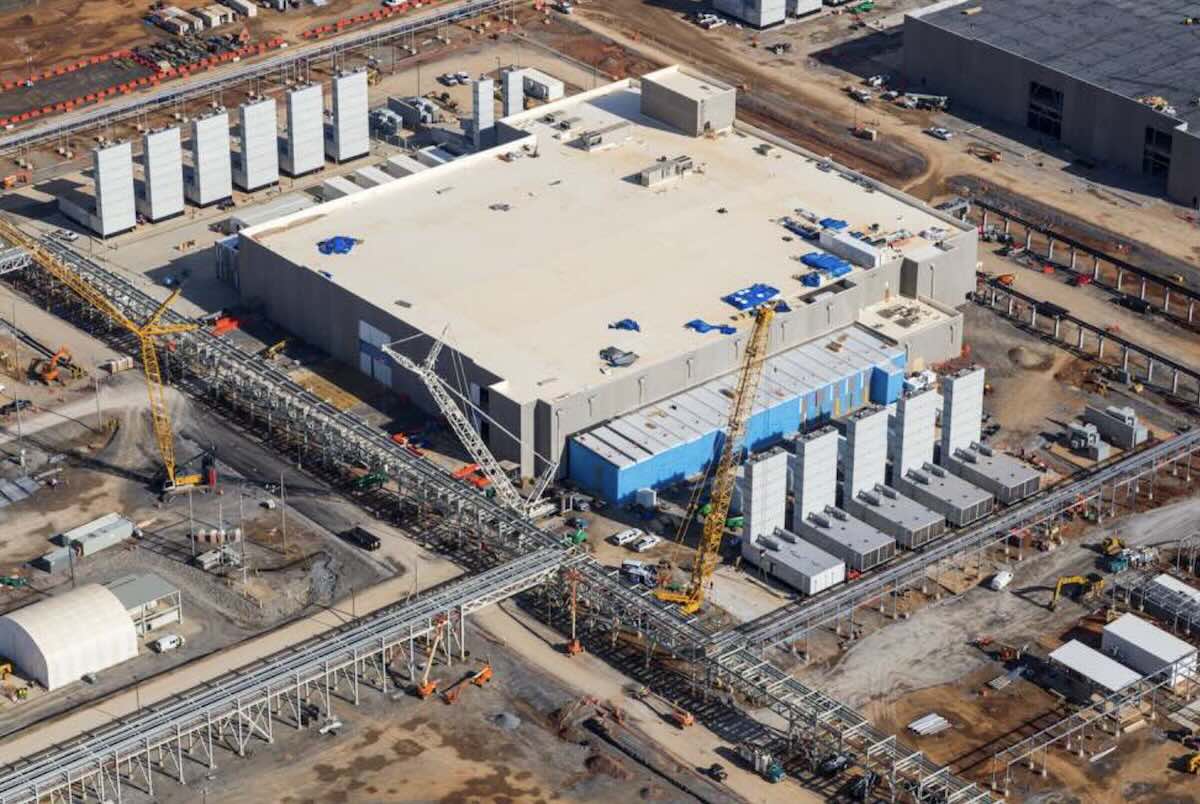
Many BYO proposals rely on natural gas as a “bridge fuel” to back up renewable generation. But gas prices are volatile, and Australia’s east coast faces supply shortages. Batteries offer a cleaner alternative but are still cost-prohibitive for multi-hour storage. The emerging trend is hydrogen-ready gas turbines, which could convert to green hydrogen in the future. However, hydrogen infrastructure is nascent, and the economics remain uncertain. The line on BYO energy may hinge on how quickly storage costs fall.
9. International Precedents: Lessons from the US and Europe
In the US, data centres in Virginia’s “Data Center Alley” have caused grid constraints and rising electricity rates. Some operators now build their own solar farms, but interconnection delays persist. Europe, meanwhile, mandates waste heat recovery and strict energy efficiency standards. Australia can learn from both: avoid unfettered growth without grid upgrades, but also incentivise innovation like waste-heat reuse for district heating. The BYO energy model in Australia should be designed to avoid the pitfalls seen overseas.
10. Where Do We Draw the Line? Policy Recommendations
The answer is not a blanket yes or no to BYO energy. Instead, policymakers should set clear conditions: a minimum renewable fraction (e.g., 70%), mandatory grid connection for surplus power, community benefit sharing, and lifecycle carbon accounting. Data centres should be required to contribute to grid reinforcement costs, and BYO energy projects must undergo environmental impact assessments. Australia can embrace its natural advantages—sunshine, wind, and stable geology—while ensuring digital growth does not come at the expense of energy equity or climate goals.
As Australia navigates this digital frontier, the line between private energy provision and public grid reliance will define not just the data centre landscape but the nation’s energy future. Clear policies, stakeholder engagement, and innovative solutions are essential to balance growth with sustainability. The BYO energy debate is a catalyst for a broader conversation about how we power the 21st-century economy—and where we ultimately draw the line.
Related Articles
- Tesla's FSD V14 Lite Promise: A Band-Aid for Angry HW3 Owners Abroad?
- Harvesting Energy from the Environment: Meet the Winners of the 2026 Green Powered Challenge
- Global Shipping Emissions Framework Back on Track After Tense IMO Talks
- 8 Key Features of Google's New TPU Generation for AI Agents and Advanced Training
- Step-by-Step Guide to Uncovering the Real Costs of Hybrid SUV Ownership
- Breaking: Ride1Up Prodigy V2 E-Bike Hits Record Low $1,795 as Spring Sale Sparks Green Deal Frenzy
- How to Electrify Your City's Bus Fleet: Lessons from Sweden's 103 New Electric Buses
- Honda Abandons $11 Billion Canada EV Plant as Electric Vehicle Strategy Unravels