Google's 'Googlebook' Initiative: Premium Chromebooks with Upgrade Potential
Google has long championed Chromebooks as affordable, secure, and easy-to-use devices for education and everyday computing. However, a recent announcement during The Android Show signals a strategic pivot. The company revealed its 'Googlebook' project—a premium-focused line that will eventually replace traditional Chromebooks. While details remain scarce, the shift suggests a move toward higher-end hardware and upgradeability, potentially redefining the Chrome OS experience. Here is what we know so far and what it could mean for consumers and the market.
What Defines the 'Googlebook' Premium Focus?
The original Chromebook lineup was built on the principles of simplicity and low cost, often targeting budget-conscious buyers and schools. With 'Googlebook,' Google appears to be aiming for a more sophisticated audience. The project emphasizes premium materials, better displays, and stronger performance. This aligns with industry trends where users demand more from lightweight, cloud-first laptops. However, Google has not yet confirmed specific hardware partners or release timelines, leaving much to speculation.
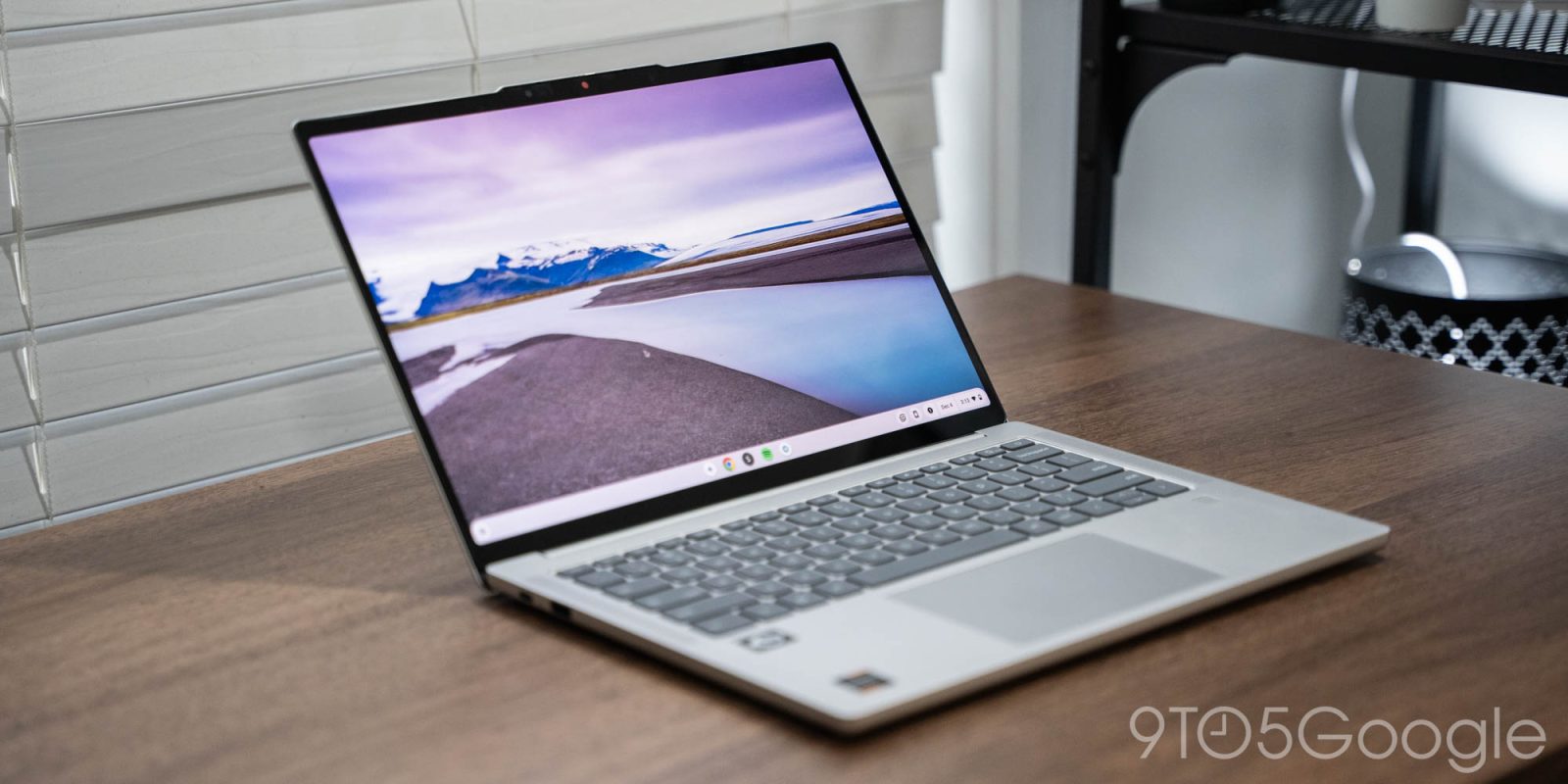
Upgradeability: A Departure from Chromebook Norms
Perhaps the most intriguing aspect is that some Chromebooks—specifically those under the 'Googlebook' umbrella—will be upgradeable. Historically, most Chromebooks have soldered RAM and storage, limiting long-term usability. Google now hints at modular designs that allow users to swap out certain components, such as SSDs or even RAM modules. This would be a major shift, potentially extending device lifespans and reducing e-waste. However, it remains unclear which models will support upgrades and whether this will apply retroactively to existing devices.
The Mystery of the Transition
The Android Show presentation deliberately kept many details vague. Google did not disclose whether 'Googlebook' would be a separate brand, a new product line, or a rebranding of existing Chromebooks. The company only stated that it will 'replace Chromebooks' over time. This ambiguity has sparked debates among tech enthusiasts. Some see it as a natural evolution, while others worry about fragmentation. Google’s silence on pricing and availability adds to the uncertainty.
Implications for Education and Enterprise
Chromebooks have dominated the education sector due to their low cost and simple management. A premium 'Googlebook' could disrupt that market if prices rise. On the other hand, upgradeability might appeal to schools that want to invest in more durable devices. Enterprises, too, might benefit from improved performance and longer support cycles. Without clear communication from Google, however, IT administrators may hesitate to commit.

What to Expect Next
We can anticipate more details at upcoming Google events, possibly Google I/O. Rumors suggest that Google is working with partners like ASUS and Acer to produce the first 'Googlebook' models. These devices could launch later this year, featuring high-resolution touchscreens, Intel Core i5 or i7 processors, and at least 8GB of RAM—specs that are rare in traditional Chromebooks. The upgradeable design may include tool-less access panels for easy component replacement.
For current Chromebook owners, it is too early to worry. Google has stated that existing devices will continue to receive updates. But for those planning to buy a new laptop, waiting for confirmed 'Googlebook' specs might be wise. The premium focus and upgrade potential could make these devices a compelling alternative to Windows and Mac laptops.
Conclusion: A New Chapter for Chrome OS
Google's 'Googlebook' project represents a bold departure from the budget-friendly Chromebook formula. By embracing premium features and upgradeability, Google aims to capture a larger share of the laptop market. Yet, the lack of concrete details leaves many questions unanswered. As we await more information, one thing is clear: the era of the cheap, disposable Chromebook may be ending, replaced by a more durable and refined computing experience. Stay tuned for updates as Google unveils the full picture.
Related Articles
- Swift-Powered Analytics Service Handles 16 Million Users Monthly, Proving Server-Side Viability
- iPhone 18 Pro Leak Reveals Refined but Familiar Design: Smaller Dynamic Island, Faster Chip, Critics Cry 'Iteration Over Innovation'
- Apple's Record Quarter: Demand Overflow and Supply Challenges Explained
- 5 Crucial Changes in React Native 0.84 That Boost Performance and Simplify Your Workflow
- iOS 26 Phone App: Two Game-Changing Features That Finally Make Calls Enjoyable
- Flutter's Migration to Swift Package Manager: Key Changes and How to Adapt
- 5 Alarm Clock Apps That Saved Me From Oversleeping
- Exclusive Early Look: Google's Aluminium OS Leak Reveals Desktop Ambitions