Unveiling the Mysteries of Trinitite: The Unique Crystal from the First Nuclear Bomb Test
Welcome to an exploration of trinitite, a fascinating byproduct of the first nuclear bomb test in 1945. This glassy mineral, forged in the extreme heat and pressure of the Trinity explosion, contains a crystal unlike any seen before. In this Q&A, we delve into the discovery, characteristics, and significance of this 'extreme' crystal, shedding light on its formation under extraordinary conditions.
What is trinitite and how does it form?
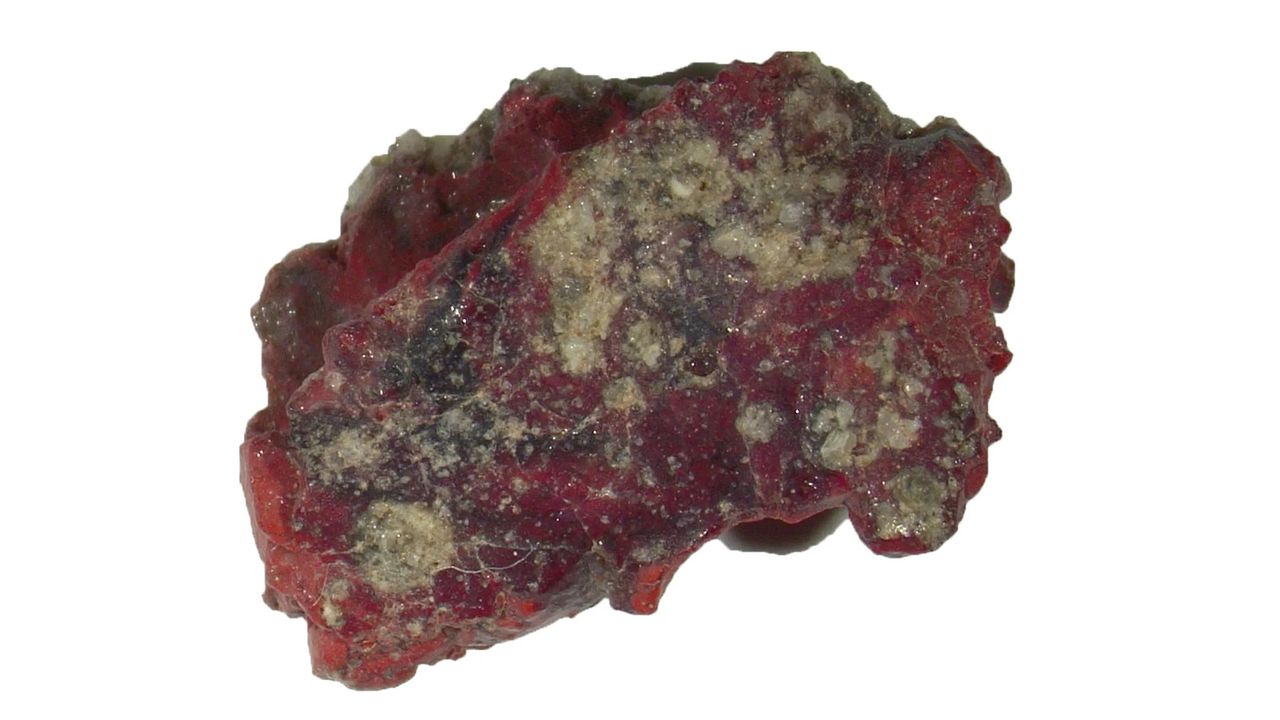
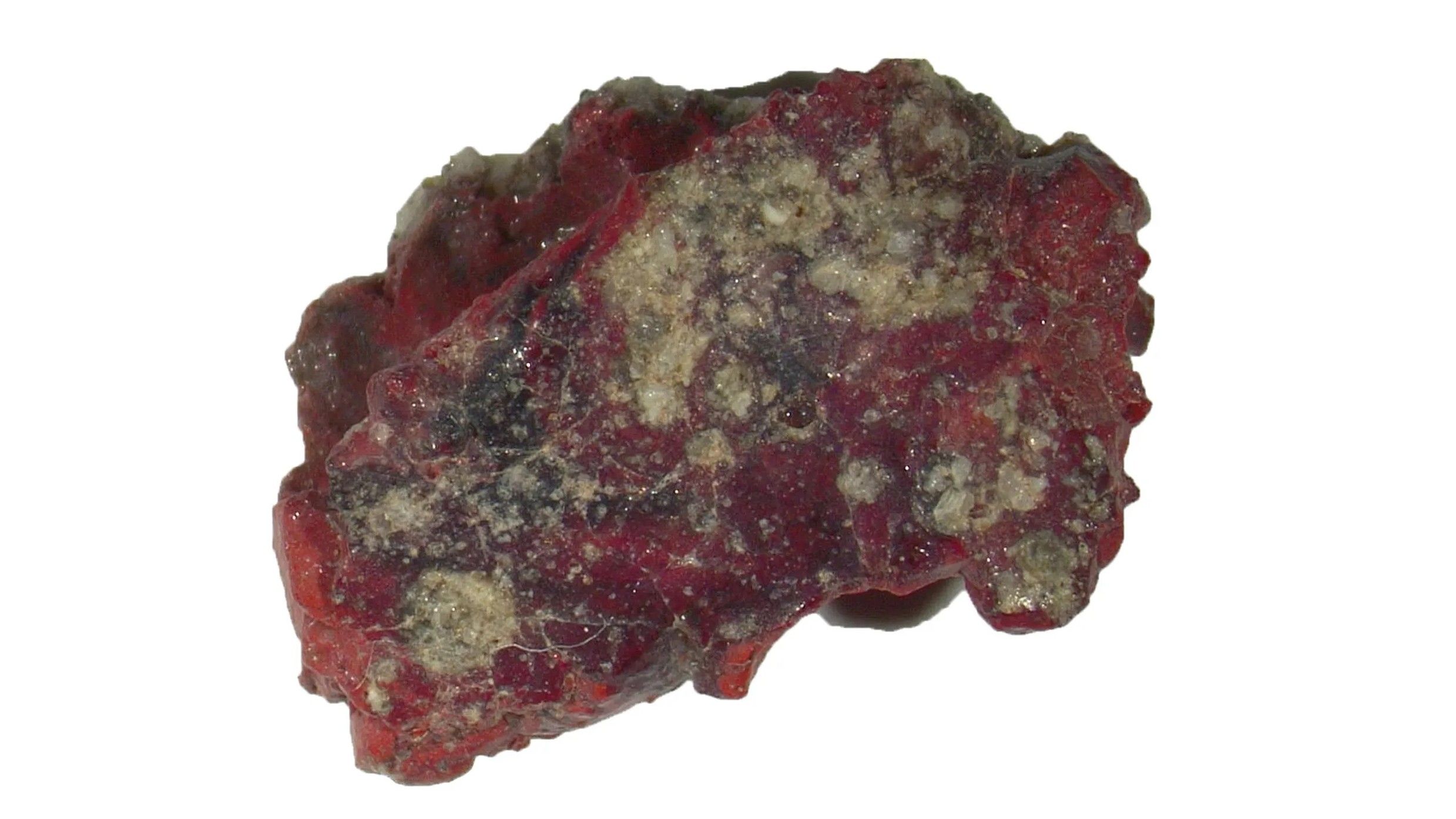
Trinitite is a glassy residue created when the sand at the Trinity test site in New Mexico was fused by the immense heat—over 1,000 degrees Celsius—of the first atomic bomb explosion. The name is derived from the Trinity test, which took place on July 16, 1945. The resulting material is typically a pale green color, though it can vary, and it contains radioactive isotopes. But beyond its expected glassy structure, scientists discovered an 'extreme' crystal embedded within it, one that defies normal crystalline patterns.
What makes this crystal so unique?
The crystal found in trinitite is a quasicrystal, meaning it has an ordered but non-periodic structure. Unlike conventional crystals, which repeat in a regular lattice, quasicrystals have a pattern that never repeats identically. This particular specimen exhibits a five-fold symmetry—forbidden in conventional crystallography. It is the first known natural quasicrystal formed by a nuclear explosion, combining elements like silicon, copper, and iron in an arrangement never before seen. Its discovery challenges our understanding of crystal growth under extreme conditions.
How was this crystal discovered?
Researchers from several institutions, including the University of California, analyzed samples of trinitite using advanced techniques like electron microscopy. They specifically examined red grains of trinitite, which are rarer than the common green variety. Using electron backscatter diffraction and X-ray analysis, they identified the unique quasicrystalline pattern. The discovery was published in 2021, highlighting how even decades-old materials can yield new secrets when studied with modern tools.
Why is the discovery of this crystal significant?
This crystal is significant for multiple reasons. First, it provides evidence that quasicrystals can form under extreme, non-equilibrium conditions, such as those of a nuclear explosion. This expands our knowledge of material formation on Earth and potentially elsewhere. Second, it offers insights into the behavior of matter under high temperatures and pressures, which can inform fields from materials science to planetary physics. Finally, it deepens our understanding of the Trinity test's aftermath, showing that the blast created not only devastation but also rare scientific artifacts.
Could similar crystals exist elsewhere in the universe?
Yes, similar quasicrystals might be found in other high-energy environments, such as meteorite impacts, lightning strikes, or volcanic eruptions. The extreme conditions required—intense heat, rapidly changing temperatures, and specific elemental mixtures—are not unique to nuclear tests. In fact, the first natural quasicrystal ever discovered came from a meteorite called Khatyrka. The trinitite crystal suggests that such structures could be more common in space or on other planets than previously thought, especially where violent events occur.
What are the practical implications of this discovery?
The practical implications range from improved understanding of how to synthetically produce quasicrystals to novel applications in materials design. Quasicrystals are already used for non-stick coatings and as reinforcing agents in alloys. Learning how they form under extreme conditions could lead to better manufacturing processes. Additionally, studying the radioactive decay within trinitite helps refine dating methods for nuclear events. This discovery underscores the value of interdisciplinary research, combining nuclear history with cutting-edge materials science.
Related Articles
- Debugging Multi-Agent AI: A Step-by-Step Guide to Automated Failure Attribution
- BREAKING: US-Linked 'Fast16' Malware Targeted Iran Years Before Stuxnet, Researchers Reveal
- Samsung Galaxy Book6 Ultra: A MacBook Pro Copy That Falls Short
- Spring Thaw on the Kuskokwim: Ice Breakup Near Aniak, Alaska
- Pinpointing the Culprit: Automated Failure Attribution in LLM Multi-Agent Systems
- 8 Surprising Facts About Infrasound and Haunted Houses
- 8 Surprising Facts About Neanderthal Dentistry: The 60,000-Year-Old Tooth That Rewrites History
- Rare 'Blue Moon' to Follow May's Flower Moon—Stargazers Prepare