Why Camera Phones Are Making a Comeback—and Why the US Is Missing Out
While phone hardware has largely plateaued in the 2020s, a surprising renaissance is happening in mobile photography. But this revival isn’t evenly distributed: the United States is falling behind as Asian brands push hardware boundaries and Western manufacturers double down on software. Here’s everything you need to know about the camera phone comeback and the geographic divide.
1. Why are camera phones making a comeback?
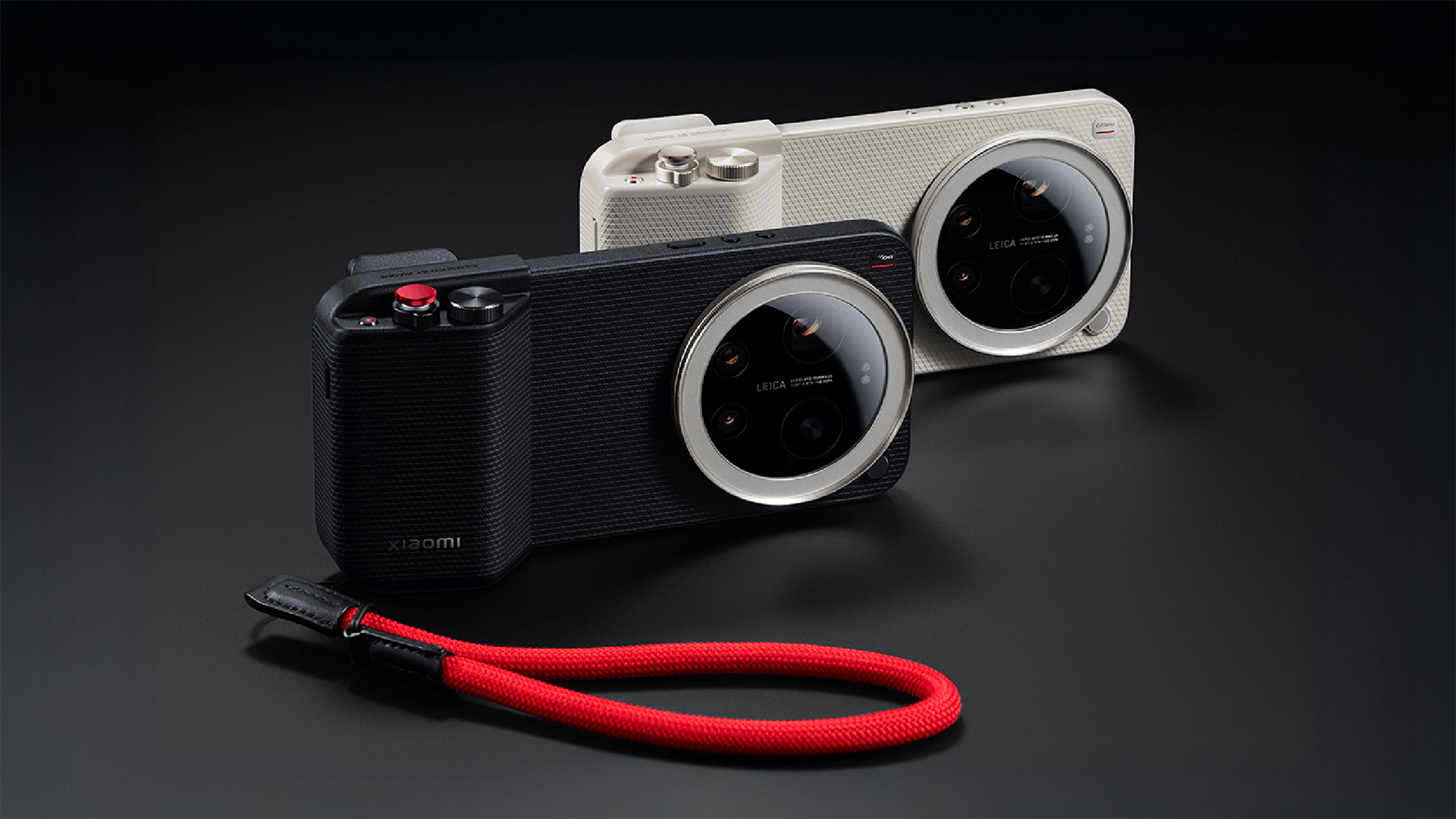
After years of incremental improvements, smartphone cameras are seeing a genuine hardware renaissance—but mostly outside the US. Brands like Xiaomi, Oppo, and Honor are releasing phones with large 1-inch sensors, variable aperture lenses, and periscope zoom systems that rival dedicated cameras. This shift is driven by consumer demand for professional-quality photos without carrying extra gear, and by competition in Asian markets where photography is a key differentiator. In contrast, Western brands like Apple and Samsung have focused on computational photography—using software to enhance images—rather than pushing physical components. The result: a revival that’s very real in China and Europe, but barely visible in the US.
2. How is software changing the game for mobile photography?
Software has become the primary battleground for camera phones in the West. Features like night mode, portrait lighting, and AI scene detection are now standard, allowing older hardware to produce impressive results. For example, Samsung’s Galaxy S24 uses advanced image processing to sharpen details and balance exposure, while Google’s Pixel phones rely on HDR+ and computational HDR. However, this approach has limits: software can’t compensate for a small sensor in low light or for thin depth-of-field effects. The Asian comeback proves that combining powerful hardware with smart software yields the best results—something Western brands have been slower to embrace.
3. Why is the US being left behind in the camera phone revival?
The primary reason is market dynamics. In the US, carriers and retailers overwhelmingly push Apple, Samsung, and Google devices, leaving little room for Chinese brands like Xiaomi, Oppo, or Huawei. These companies have been leading the hardware charge with massive camera bumps, unique lens designs, and partnerships with optics makers like Leica and Zeiss. Without US carrier support, they struggle to gain traction. Additionally, US phone buyers have been conditioned to value consistency and ecosystem integration over bleeding-edge camera specs. As a result, the hardware innovations that define the comeback are largely absent from US retail shelves.
4. What specific hardware innovations are driving the comeback?
- Large sensors: Phones like the Xiaomi 13 Ultra boast a 1-inch sensor, offering better light capture and dynamic range.
- Variable aperture: Devices can switch between f/1.4 for low light and f/4.0 for sharpness in daylight.
- Periscope zoom: Optical zoom up to 10x, with hybrid systems reaching 100x, without sacrificing quality.
- Multispectral sensors: For more accurate color reproduction, especially under artificial lighting.
These features are becoming common in Asian flagship phones but remain rare in US models, where the focus remains on software tricks with older hardware.
5. How do Western brands like Samsung and Apple compare?
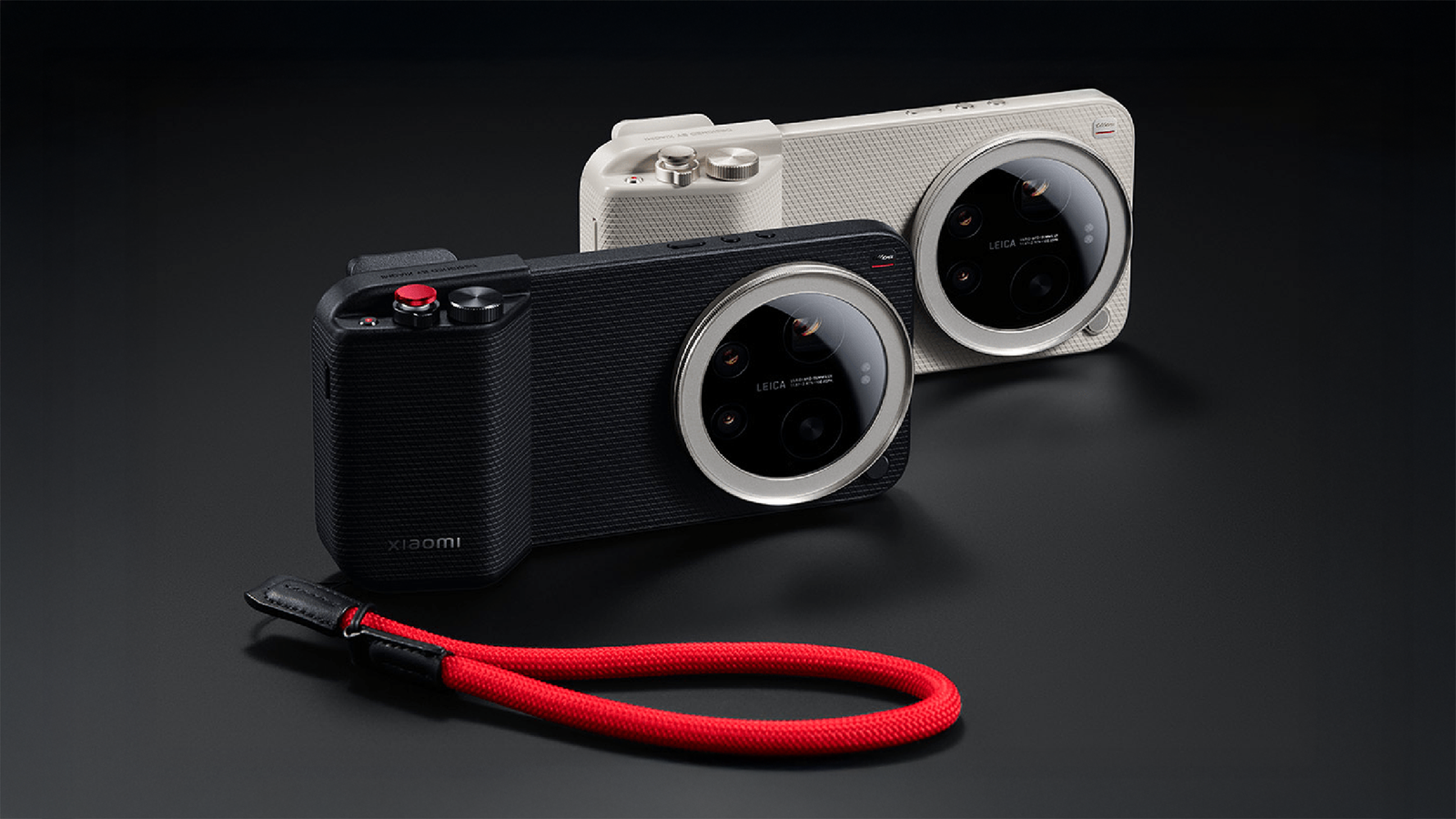
Samsung and Apple have taken a conservative approach to hardware, iterating slowly while investing heavily in image processing. For instance, the iPhone 15 Pro Max still uses a 48MP sensor (like its predecessor) and relies on Smart HDR 5 and ProRAW to compete. Samsung’s Galaxy S24 Ultra improved zoom but kept a similar primary sensor. In contrast, Xiaomi’s 14 Ultra ships with a 50MP 1-inch sensor and dual-telephoto lenses. The result: Western phones perform well in varied conditions but rarely wow photographers the way Asian flagships do in controlled tests. The trade-off is consistency over raw potential.
6. Will the US ever catch up to the global camera phone trend?
It’s possible—but not soon. US adoption of foreign brands would require a shift in carrier partnerships and consumer awareness. Some hope lies in Google’s Pixel series, which occasionally experiments with hardware (like the Pixel 8 Pro’s temperature sensor) and could push the envelope. More likely, Apple and Samsung will eventually adopt larger sensors and advanced optics as competition heats up globally. However, as long as the US market remains content with software-first photography, the hardware comeback will be a story told elsewhere. For now, enthusiasts who want the best camera phone must import or travel.
Related Articles
- Cloud Partial Failures Demand New Frontend Design Mindset, Experts Warn
- Vienna Circle's Collapse Over Toxicity Sounds Alarm for Modern Web Design
- From Chaos to Clarity: How Claude Transforms Messy Data into Structured Spreadsheets
- Breaking: New Bridge Unites Mastodon, Bluesky and Other Federated Social Networks – Seamless Cross-Posting Now Possible
- FX's 'What We Do in the Shadows' Returns to Netflix: The Best Vampire Horror-Comedy on Streaming Gets Season 6 Premiere Date
- 10 Reasons the 'Date Cancelled' Meme Became a Dating Culture Phenomenon
- Revolutionizing Facebook Groups Search: Unlocking Community Knowledge with Hybrid AI
- Canon EOS R6 V: A Video-First Mirrorless Camera Explained