HCP Vault Dedicated Now Fully Supports Azure Hub-and-Spoke Networking
Introduction to Azure Hub-and-Spoke GA for HCP Vault Dedicated
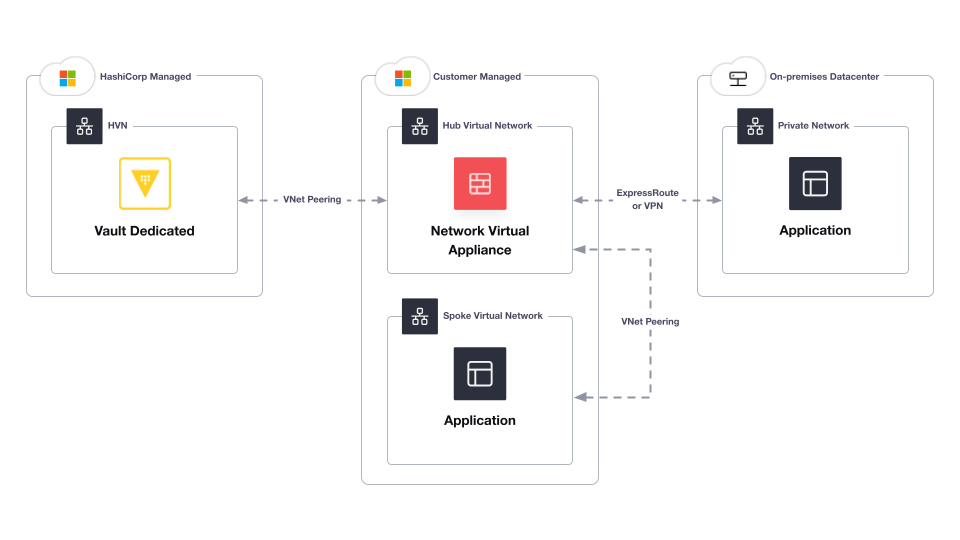
HashiCorp has announced the general availability of Azure hub-and-spoke networking for HCP Vault Dedicated. This milestone enables enterprises to seamlessly integrate Vault into their centralized Azure network architectures without requiring custom routing, unique peering patterns, or Vault-specific exceptions. The update expands support for customers who demand a clear separation between product and infrastructure management, especially in complex networking environments.
Private Connectivity to Enterprise Environments
Most enterprises operate in hybrid or multi-cloud settings, combining public cloud infrastructure with on-premises data centers. Consistent and secure integration between HCP and corporate networks is essential. Organizations using a virtual network benefit from a secure private connectivity hub that simplifies meeting regulatory and compliance requirements while streamlining routing, firewall management, and security reviews.
A HashiCorp Virtual Network (HVN) can be peer-connected to customer-owned networks, such as an Amazon Web Services Virtual Private Cloud (AWS VPC) or a Microsoft Azure Virtual Network (Azure VNet). For HCP Vault Dedicated customers on Azure, all workloads communicate exclusively over private connectivity, ensuring data remains within secure boundaries.
Gaining Further Operational Efficiency as a Standard Platform Component
With Azure hub-and-spoke now GA, Vault integrates into the organization’s central hub network, leveraging existing shared services like firewalls, DNS, routing, and inspection. Although standard network configurations are still necessary, Vault follows the same ingress and egress patterns as other Tier 0 services. This tight integration with Azure means Vault no longer demands special-case architecture designs. It fits cleanly into an organization’s Azure reference architecture, reducing platform friction by eliminating architecture exceptions.
Benefits for Network Teams
- Network rules are defined once in the hub and not repeated with every Vault deployment.
- Security teams can review and approve patterns rather than every individual implementation.
- Changes (adding applications, peers, or regions) typically do not require Vault-specific configuration changes, though centralized updates may still be needed.
Improve Network Security and Reduce Operational Complexity
Enterprises achieve robust network security through centralized routing, firewall policy enforcement, network monitoring, and logging. Placing HCP Vault Dedicated into this model means that security policies are applied consistently across the hub. This approach reduces the burden on security teams and ensures that Vault deployments align with existing governance frameworks.
By eliminating the need for per-deployment exceptions, organizations can scale their Vault usage without compromising security posture. The hub-and-spoke model also simplifies auditing and compliance reporting, as all traffic flows through a single, well-defined connectivity point.
For more details on configuring Azure hub-and-spoke with HCP Vault Dedicated, refer to the official documentation on private connectivity and operational efficiency.
Related Articles
- 10 Key Facts About Google's New 5GB Storage Test for Gmail
- Go at 16: Production Power, Concurrent Testing, and a Glimpse into AI
- Redefining Software Development: Verification Over Velocity in the Age of AI
- How to Avoid a Storage Flop: Lessons from Iomega's Clik! Drive
- Google Unveils 'Docs Live' to Transform Mental Overload into Instant Documents
- AWS Launches DevOps and Security Agents, Promises 'Always-Available Teammate' for Cloud Ops
- Design Gap Exposed: Why Most Products Work but Few Excel in Daily Use
- GitHub Enhances Status Page with Improved Incident Classification and Service Uptime Metrics