How to Mitigate the Global Threat of Pathogenic Amoebas: A Practical Guide
Introduction
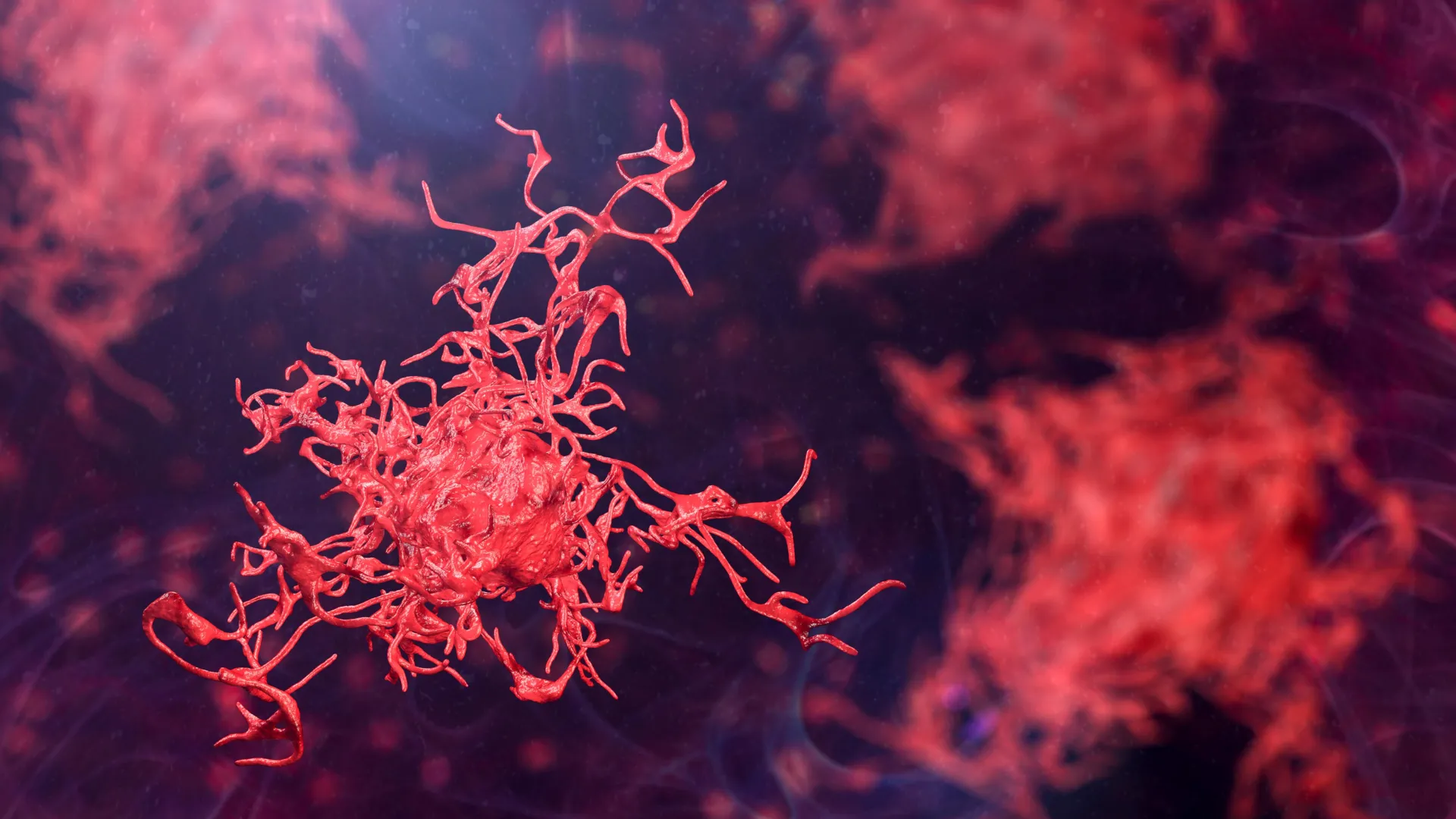
Free-living amoebae, once considered harmless, are now escalating into a global health concern. Driven by rising temperatures and aging water infrastructure, certain species can cause life-threatening infections like primary amebic meningoencephalitis (PAM) or act as vectors for other dangerous microbes. Their resilience to heat and standard disinfectants makes them exceptionally challenging to control. This guide outlines actionable steps for individuals, communities, and authorities to reduce exposure and curb the spread of these pathogens.
What You Need
- Basic knowledge of amoeba habitats (freshwater lakes, rivers, hot springs, poorly maintained swimming pools, and tap water systems)
- Water testing kits for detecting amoeba presence (e.g., PCR or culture tests)
- Approved disinfectants (e.g., chlorine, monochloramine, UV treatment, ozone)
- Personal protective equipment (nose clips, goggles, or avoidance of warm freshwater activities)
- Access to local health department or water authority data
- Community engagement resources (social media, flyers, town hall templates)
Step-by-Step Guide
Step 1: Understand the Threat and Identify Risk Factors
Begin by educating yourself and your community about the types of amoebas that pose health risks. Naegleria fowleri, Acanthamoeba, and Balamuthia mandrillaris are primary culprits. Recognize that they thrive in warm freshwater—temperatures above 25°C (77°F)—and in stagnant or poorly chlorinated water. Climate change is expanding their geographic range. Refer to the tips section for additional warning signs.
Step 2: Assess Local Water Systems and Surveillance
Contact your local water utility or health authority to inquire about amoeba monitoring programs. Many utilities lack routine testing, so advocate for improved surveillance. Use water testing kits to sample suspect sources—especially hot tubs, cooling towers, and public splash pads. Record findings in a community log to identify hotspots.
Step 3: Implement Enhanced Water Treatment
Where amoebas are detected, upgrade treatment methods. Standard chlorine levels may be insufficient. Options include:
- Raising free chlorine residual to 1–3 ppm (or higher as per guidelines)
- Using monochloramine as a secondary disinfectant
- Installing UV or ozone systems at points of entry
- Heating water to at least 65°C (150°F) for 10 minutes in household systems
For private wells or small systems, consider monthly testing and shock chlorination.
Step 4: Modify Personal Behavior and Hygiene
Avoid swimming, diving, or using neti pots with untreated warm freshwater. When engaging in water activities:
- Keep head above water or use a nose clip
- Avoid stirring up sediment in shallow, warm water
- Use only sterile, boiled, or filtered water for nasal rinsing
Households should flush taps for 1–2 minutes before use if water has been stagnant.
Step 5: Advocate for Policy and Infrastructure Updates
Lobby for modernized water distribution systems and routine amoeba surveillance at municipal levels. Write to local representatives and share data with environmental health agencies. Encourage adoption of the CDC or WHO guidelines for amoeba control. Public awareness campaigns can help push for funding.
Step 6: Establish a Monitoring and Response Plan
Create a community task force to track amoeba reports, share testing results, and coordinate responses. In case of a confirmed infection, immediately notify health officials and implement water advisories. Post signs at affected water bodies and distribute educational materials.
Tips for Success
- Stay informed: Monitor research from the CDC, WHO, and scientific journals for emerging amoebal threats.
- Seasonal vigilance: Amoeba activity peaks in summer—intensify precautions during warm months.
- Disinfectant synergy: Combining chlorine with UV or ozone improves kill rates.
- Community cooperation: Share resources and data with neighboring towns to track regional spread.
- Emergency kit: Keep sterile water for nasal irrigation and portable water testers when traveling.
Related Articles
- 10 Key Insights: Did AI Truly Outperform Doctors in Diagnosis?
- Deadly Amoebas Invade New Regions as Warming Waters Fuel Global Health Crisis
- Unlocking the Medicinal Potential of Cannabis Leaves: A Guide to Rare Flavoalkaloids
- The Hidden Dangers of Gas Stations: How Proximity Affects Childhood Cancer Rates
- Healthcare Startup Survival: A Practical Guide to FDA Approval, Fundraising, and Team Resilience
- Crisis Point: LGBTQ+ Youth Suicide Risk Surges, Schools Seen as Crucial Lifeline
- A Step-by-Step Guide to Transferring Research Monkeys to a Sanctuary: Lessons from the CDC Initiative
- Grafana Cloud Launches Adaptive Logs Drop Rules to Eliminate Noisy Log Lines and Cut Costs